How to Find Effective Electronic Addiction Treatment

Electronic device dependency affects millions of Americans, with screen time averaging over 7 hours daily according to recent studies. Many people struggle to control their technology use despite negative impacts on relationships, work, and mental health.

We at Amity San Diego understand that finding effective electronic addiction treatment requires knowing what to look for in programs and providers. Professional intervention can make the difference between continued digital overwhelm and regaining control of your life.

Understanding Electronic Addiction and Treatment Options

Electronic addiction manifests through specific behavioral patterns that distinguish problematic use from normal technology engagement. The American Psychological Association reports that individuals who spend more than 4 hours daily on non-work screen activities show increased risk for dependency behaviors. Key warning signs include persistent thoughts about devices when offline, failed attempts to reduce usage, and continued use despite relationship conflicts or work performance decline. Physical symptoms like sleep disruption, eye strain, and repetitive motion injuries often accompany psychological indicators such as anxiety when separated from devices, lies about usage time, and neglect of responsibilities for screen activities.
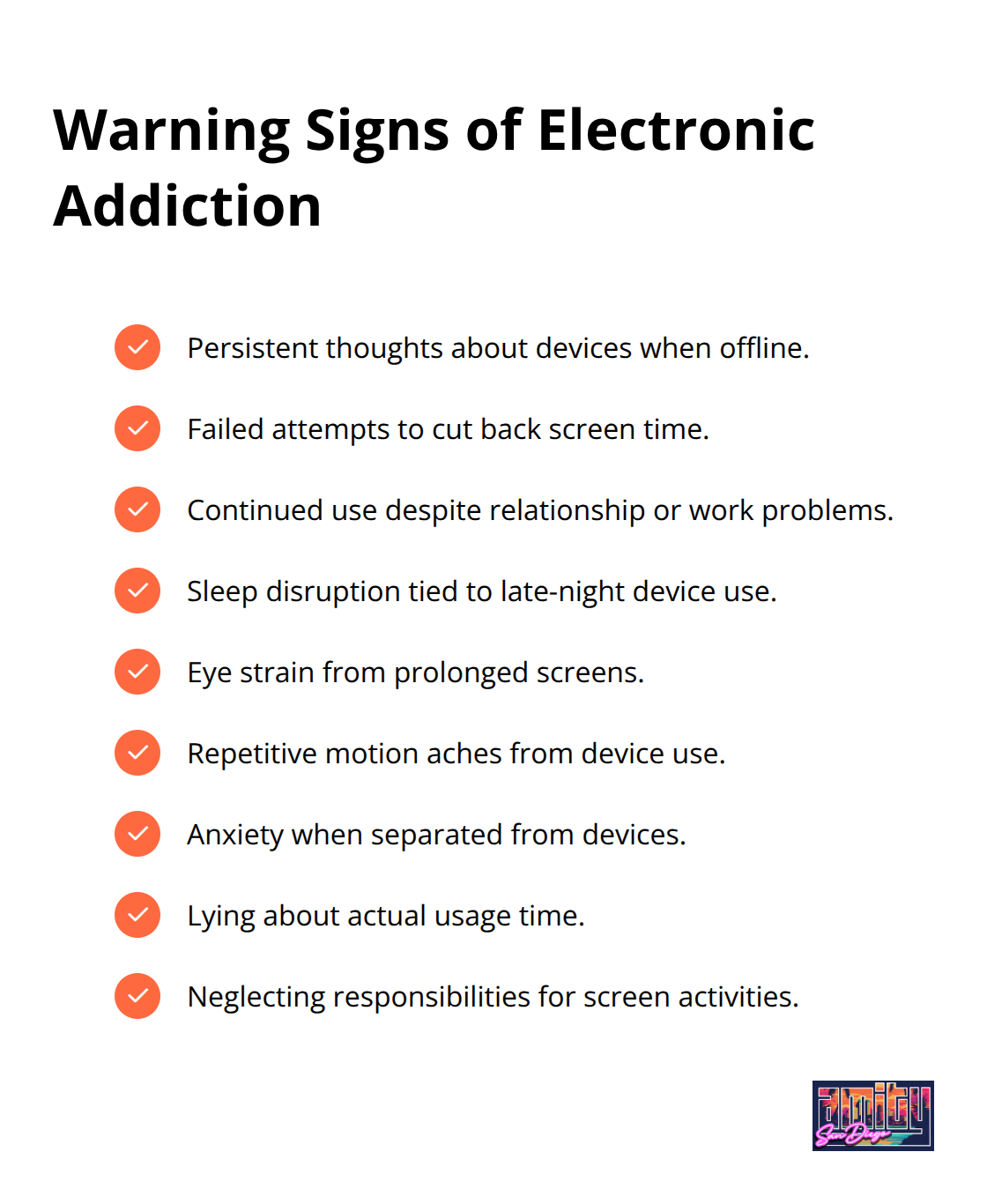
Checklist of common behavioral and physical warning signs of electronic addiction - electronic addiction treatment

Primary Electronic Dependencies That Need Treatment

Gaming addiction affects approximately 1-3% of gamers globally according to the World Health Organization, with internet gaming disorder now recognized in diagnostic manuals. Social media dependency impacts an estimated 210 million people worldwide, characterized by compulsive checking, phantom notification syndrome, and withdrawal-like symptoms during platform breaks. Online shopping addiction creates financial distress through impulse purchases, with studies showing 5.8% of adults exhibit problematic buying behaviors. Pornography addiction disrupts intimate relationships and work productivity (affecting roughly 3-6% of adults). Each type requires specialized intervention strategies that target specific neural pathways and behavioral triggers.

Evidence-Based Treatment Methods That Work

Cognitive Behavioral Therapy demonstrates 70-80% success rates for technology addiction treatment by restructuring thought patterns and developing coping mechanisms. Dialectical Behavior Therapy helps individuals manage emotional triggers that drive compulsive device use through mindfulness and distress tolerance skills. Exposure therapy gradually reduces dependency through controlled device interaction under professional supervision. Medication-assisted approaches using naltrexone show promise for severe cases, particularly online gambling addiction. Treatment centers in San Diego combine these evidence-based methods with personalized care plans that address underlying mental health conditions (which often fuel electronic dependencies). For comprehensive addiction treatment in San Diego, consider exploring specialized programs at https://share.google/V92vP2GWCF6p0tLtX. The next step involves finding quality treatment programs that offer these specialized approaches.

Finding Quality Electronic Addiction Treatment Programs

Accreditation serves as your first filter when you select electronic addiction treatment providers. The Joint Commission and Commission on Accreditation of Rehabilitation Facilities (CARF) maintain strict standards that define the inputs, processes, and outcomes expected for programs serving individuals worldwide. Programs that hold these certifications demonstrate compliance with evidence-based practices, staff qualifications, and safety protocols. Research therapists through state boards and verify their specific training in technology addiction treatment.

Evaluating Treatment Methods and Success Rates

Success rates vary dramatically between treatment approaches, which makes outcome data essential for decision-making. Cognitive Behavioral Therapy programs show that 78% sustained recovery six months following treatment, with over 95% of clients able to manage symptoms at the end of twelve weeks. Request specific statistics on client retention, completion rates, and follow-up success measurements. Programs that track clients for 12 months post-treatment provide more reliable data than those that measure only immediate outcomes.
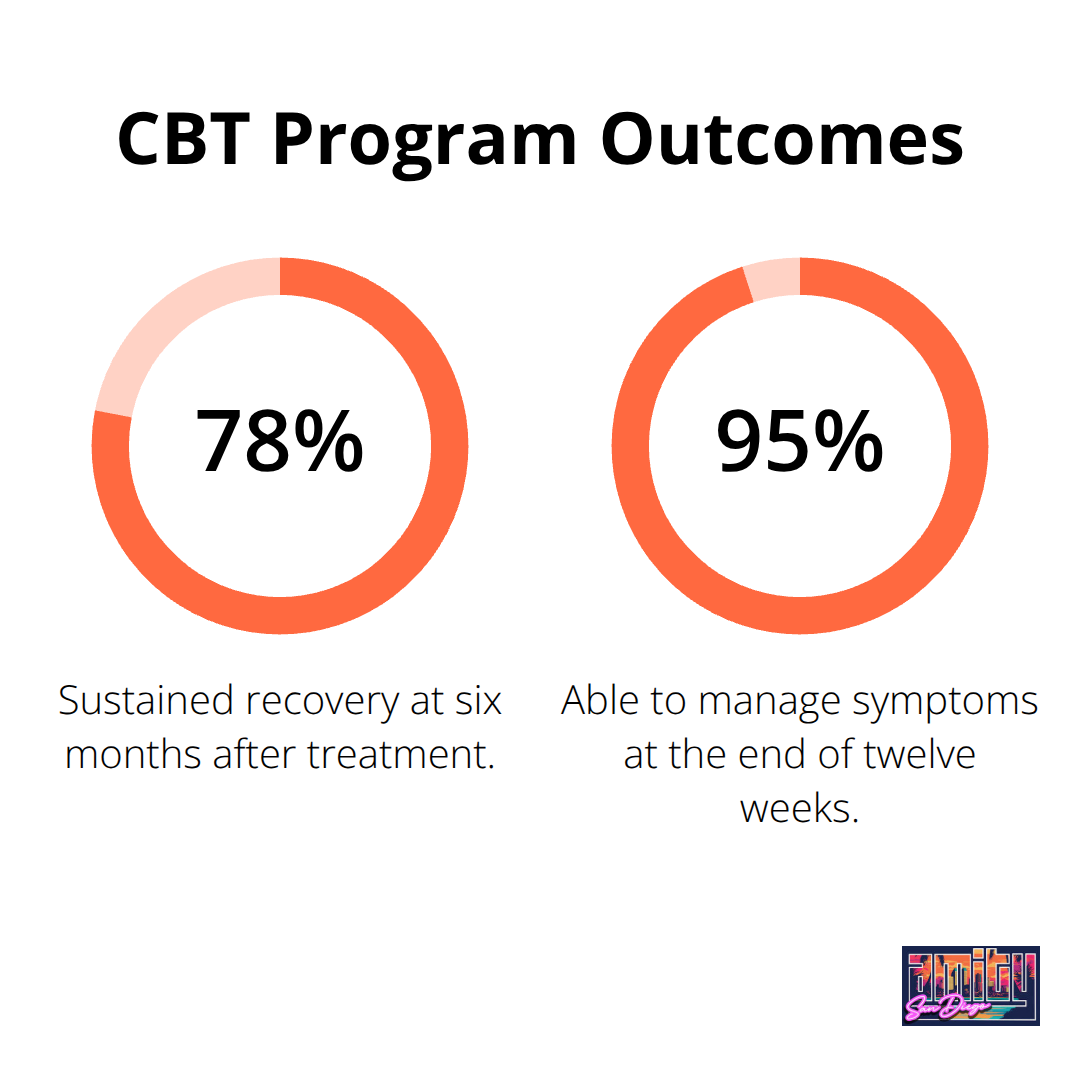
Percentage outcomes from CBT-focused electronic addiction programs - electronic addiction treatment

Insurance Coverage and Financial Considerations

Insurance companies increasingly require pre-authorization for electronic addiction treatment, as delays in treatment initiation place individuals at risk. Verify insurance benefits before enrollment, as out-of-network costs can be substantial for comprehensive programs. Many quality providers offer payment plans or fees based on income. Most major insurance plans accept outpatient programs, which makes intensive outpatient and partial hospitalization options more accessible for ongoing care.

Questions to Ask Potential Treatment Providers

Contact treatment centers and ask about their specific experience with your type of electronic addiction. Request information about their staff credentials, treatment duration, and aftercare support systems. Ask about their approach to co-occurring mental health conditions, as these often fuel technology dependencies. The initial assessment process reveals much about program quality – comprehensive evaluations that examine underlying issues indicate more thorough treatment approaches than surface-level screenings.

For those seeking addiction treatment in San Diego, consider exploring comprehensive options at https://share.google/V92vP2GWCF6p0tLtX.

What to Expect During Electronic Addiction Recovery

Initial Assessment and Treatment Planning

The initial assessment phase determines your specific treatment path through comprehensive evaluation that lasts 2-3 hours. Licensed clinicians examine your device usage patterns, underlying mental health conditions, and personal triggers that fuel compulsive technology behaviors. This assessment includes standardized tools like the Internet Addiction Test, which measures severity on a scale from 20-100 points. Scores above 70 indicate severe dependency that requires intensive intervention. Your treatment team creates a personalized plan that addresses both the addiction and co-occurring conditions like depression or anxiety, as people with substance use disorders often have co-occurring mental disorders or other health conditions.

Therapy Modalities and Behavioral Interventions

Cognitive Behavioral Therapy sessions occur 3-5 times weekly during initial treatment phases and focus on identification of thought patterns that trigger device use. Therapists use exposure therapy techniques where you practice controlled technology interaction under supervision. Dialectical Behavior Therapy teaches distress tolerance skills that replace compulsive scrolling or gaming with healthier coping mechanisms. Group therapy sessions twice weekly provide peer support and accountability from others who face similar challenges. Treatment centers track your progress through weekly assessments that measure reduced usage hours, improved sleep quality, and relationship functioning improvements.

Digital Wellness Planning and Relapse Prevention

Your recovery plan includes specific technology boundaries like designated phone-free zones and scheduled offline periods. Successful programs implement graduated exposure protocols where you slowly reintroduce devices with built-in safeguards like app timers and content blockers. Studies show individuals who establish concrete usage limits maintain 85% recovery rates at 12 months (compared to 45% for those without structured plans).
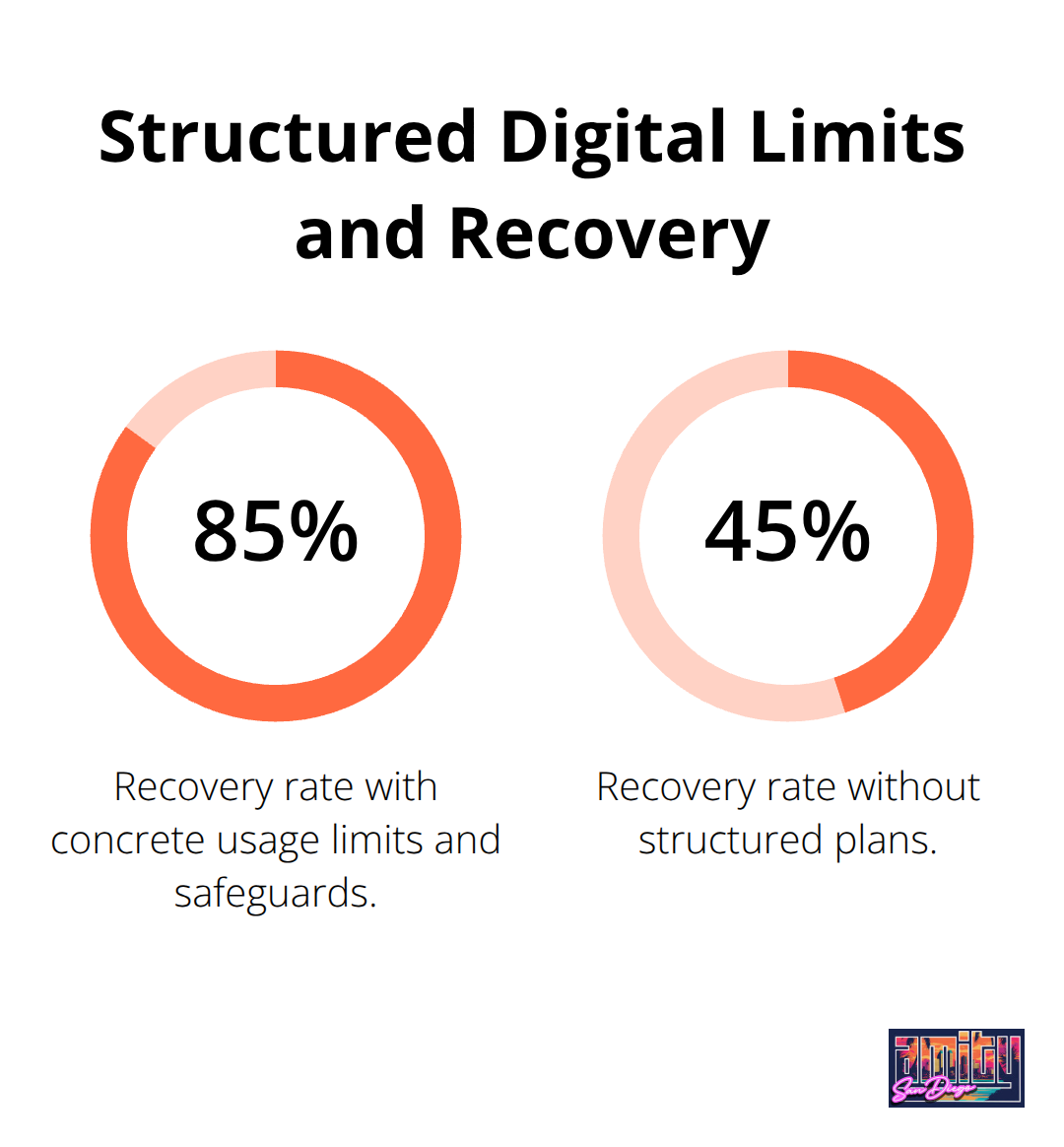
Recovery rates at 12 months with and without structured digital usage limits

Your treatment team provides ongoing monitoring through weekly check-ins and monthly progress evaluations that adjust your digital wellness strategies based on real usage data from your devices.

Taking Action on Electronic Addiction Treatment

You must contact accredited treatment centers that specialize in technology dependencies and schedule comprehensive assessments within 48 hours of recognizing problematic patterns. Professional intervention provides structured support that self-help approaches cannot match. Licensed clinicians offer evidence-based therapies that address both the addiction and underlying mental health conditions.

Recovery success depends on ongoing professional guidance throughout the treatment process. Therapists trained in electronic addiction treatment understand the unique challenges of digital dependencies and provide accountability systems that prevent relapse during vulnerable periods. The combination of individual therapy, group support, and structured digital wellness plans creates sustainable recovery outcomes that last beyond initial treatment phases.

You need concrete boundaries and monitoring systems that maintain healthy technology relationships for long-term digital wellness. Successful recovery involves phone-free zones, app timers, and offline activities that replace compulsive device behaviors (which often develop over months or years of problematic use). We at Amity San Diego provide comprehensive outpatient programs that combine evidence-based therapies with personalized care plans to help individuals reclaim control over their digital lives.


Accessibility Toolbar

How to Find Effective Electronic Addiction Treatment

Electronic device dependency affects millions of Americans, with screen time averaging over 7 hours daily according to recent studies. Many people struggle to control their technology use despite negative impacts on relationships, work, and mental health.

We at Amity San Diego understand that finding effective electronic addiction treatment requires knowing what to look for in programs and providers. Professional intervention can make the difference between continued digital overwhelm and regaining control of your life.

Understanding Electronic Addiction and Treatment Options

Electronic addiction manifests through specific behavioral patterns that distinguish problematic use from normal technology engagement. The American Psychological Association reports that individuals who spend more than 4 hours daily on non-work screen activities show increased risk for dependency behaviors. Key warning signs include persistent thoughts about devices when offline, failed attempts to reduce usage, and continued use despite relationship conflicts or work performance decline. Physical symptoms like sleep disruption, eye strain, and repetitive motion injuries often accompany psychological indicators such as anxiety when separated from devices, lies about usage time, and neglect of responsibilities for screen activities.

Checklist of common behavioral and physical warning signs of electronic addiction - electronic addiction treatment

Primary Electronic Dependencies That Need Treatment

Gaming addiction affects approximately 1-3% of gamers globally according to the World Health Organization, with internet gaming disorder now recognized in diagnostic manuals. Social media dependency impacts an estimated 210 million people worldwide, characterized by compulsive checking, phantom notification syndrome, and withdrawal-like symptoms during platform breaks. Online shopping addiction creates financial distress through impulse purchases, with studies showing 5.8% of adults exhibit problematic buying behaviors. Pornography addiction disrupts intimate relationships and work productivity (affecting roughly 3-6% of adults). Each type requires specialized intervention strategies that target specific neural pathways and behavioral triggers.

Evidence-Based Treatment Methods That Work

Cognitive Behavioral Therapy demonstrates 70-80% success rates for technology addiction treatment by restructuring thought patterns and developing coping mechanisms. Dialectical Behavior Therapy helps individuals manage emotional triggers that drive compulsive device use through mindfulness and distress tolerance skills. Exposure therapy gradually reduces dependency through controlled device interaction under professional supervision. Medication-assisted approaches using naltrexone show promise for severe cases, particularly online gambling addiction. Treatment centers in San Diego combine these evidence-based methods with personalized care plans that address underlying mental health conditions (which often fuel electronic dependencies). For comprehensive addiction treatment in San Diego, consider exploring specialized programs at https://share.google/V92vP2GWCF6p0tLtX. The next step involves finding quality treatment programs that offer these specialized approaches.

Finding Quality Electronic Addiction Treatment Programs

Accreditation serves as your first filter when you select electronic addiction treatment providers. The Joint Commission and Commission on Accreditation of Rehabilitation Facilities (CARF) maintain strict standards that define the inputs, processes, and outcomes expected for programs serving individuals worldwide. Programs that hold these certifications demonstrate compliance with evidence-based practices, staff qualifications, and safety protocols. Research therapists through state boards and verify their specific training in technology addiction treatment.

Evaluating Treatment Methods and Success Rates

Success rates vary dramatically between treatment approaches, which makes outcome data essential for decision-making. Cognitive Behavioral Therapy programs show that 78% sustained recovery six months following treatment, with over 95% of clients able to manage symptoms at the end of twelve weeks. Request specific statistics on client retention, completion rates, and follow-up success measurements. Programs that track clients for 12 months post-treatment provide more reliable data than those that measure only immediate outcomes.

Percentage outcomes from CBT-focused electronic addiction programs - electronic addiction treatment

Insurance Coverage and Financial Considerations

Insurance companies increasingly require pre-authorization for electronic addiction treatment, as delays in treatment initiation place individuals at risk. Verify insurance benefits before enrollment, as out-of-network costs can be substantial for comprehensive programs. Many quality providers offer payment plans or fees based on income. Most major insurance plans accept outpatient programs, which makes intensive outpatient and partial hospitalization options more accessible for ongoing care.

Questions to Ask Potential Treatment Providers

Contact treatment centers and ask about their specific experience with your type of electronic addiction. Request information about their staff credentials, treatment duration, and aftercare support systems. Ask about their approach to co-occurring mental health conditions, as these often fuel technology dependencies. The initial assessment process reveals much about program quality - comprehensive evaluations that examine underlying issues indicate more thorough treatment approaches than surface-level screenings.

For those seeking addiction treatment in San Diego, consider exploring comprehensive options at https://share.google/V92vP2GWCF6p0tLtX.

What to Expect During Electronic Addiction Recovery

Initial Assessment and Treatment Planning

The initial assessment phase determines your specific treatment path through comprehensive evaluation that lasts 2-3 hours. Licensed clinicians examine your device usage patterns, underlying mental health conditions, and personal triggers that fuel compulsive technology behaviors. This assessment includes standardized tools like the Internet Addiction Test, which measures severity on a scale from 20-100 points. Scores above 70 indicate severe dependency that requires intensive intervention. Your treatment team creates a personalized plan that addresses both the addiction and co-occurring conditions like depression or anxiety, as people with substance use disorders often have co-occurring mental disorders or other health conditions.

Therapy Modalities and Behavioral Interventions

Cognitive Behavioral Therapy sessions occur 3-5 times weekly during initial treatment phases and focus on identification of thought patterns that trigger device use. Therapists use exposure therapy techniques where you practice controlled technology interaction under supervision. Dialectical Behavior Therapy teaches distress tolerance skills that replace compulsive scrolling or gaming with healthier coping mechanisms. Group therapy sessions twice weekly provide peer support and accountability from others who face similar challenges. Treatment centers track your progress through weekly assessments that measure reduced usage hours, improved sleep quality, and relationship functioning improvements.

Digital Wellness Planning and Relapse Prevention

Your recovery plan includes specific technology boundaries like designated phone-free zones and scheduled offline periods. Successful programs implement graduated exposure protocols where you slowly reintroduce devices with built-in safeguards like app timers and content blockers. Studies show individuals who establish concrete usage limits maintain 85% recovery rates at 12 months (compared to 45% for those without structured plans).

Recovery rates at 12 months with and without structured digital usage limits

Your treatment team provides ongoing monitoring through weekly check-ins and monthly progress evaluations that adjust your digital wellness strategies based on real usage data from your devices.

Taking Action on Electronic Addiction Treatment

You must contact accredited treatment centers that specialize in technology dependencies and schedule comprehensive assessments within 48 hours of recognizing problematic patterns. Professional intervention provides structured support that self-help approaches cannot match. Licensed clinicians offer evidence-based therapies that address both the addiction and underlying mental health conditions.

Recovery success depends on ongoing professional guidance throughout the treatment process. Therapists trained in electronic addiction treatment understand the unique challenges of digital dependencies and provide accountability systems that prevent relapse during vulnerable periods. The combination of individual therapy, group support, and structured digital wellness plans creates sustainable recovery outcomes that last beyond initial treatment phases.

You need concrete boundaries and monitoring systems that maintain healthy technology relationships for long-term digital wellness. Successful recovery involves phone-free zones, app timers, and offline activities that replace compulsive device behaviors (which often develop over months or years of problematic use). We at Amity San Diego provide comprehensive outpatient programs that combine evidence-based therapies with personalized care plans to help individuals reclaim control over their digital lives.

Table of Contents