Severe anxiety can disrupt every aspect of daily life, making it impossible to work, maintain relationships, or function normally. When outpatient therapy isn’t enough, anxiety residential treatment programs offer intensive, round-the-clock support.
We at Amity San Diego understand that choosing residential care represents a significant decision for individuals and families facing overwhelming anxiety symptoms.
What Is Anxiety Residential Treatment
Anxiety residential treatment provides 24/7 intensive care in a structured live-in facility where patients receive round-the-clock medical supervision and therapeutic support. Unlike traditional outpatient programs that allow patients to return home each day, residential treatment removes individuals from their daily environment for typically 30 to 90 days. Anxiety disorders are the most common mental disorders in the United States, with many needing this higher level of care when outpatient therapy proves insufficient.
Common Anxiety Disorders Treated in Residential Settings
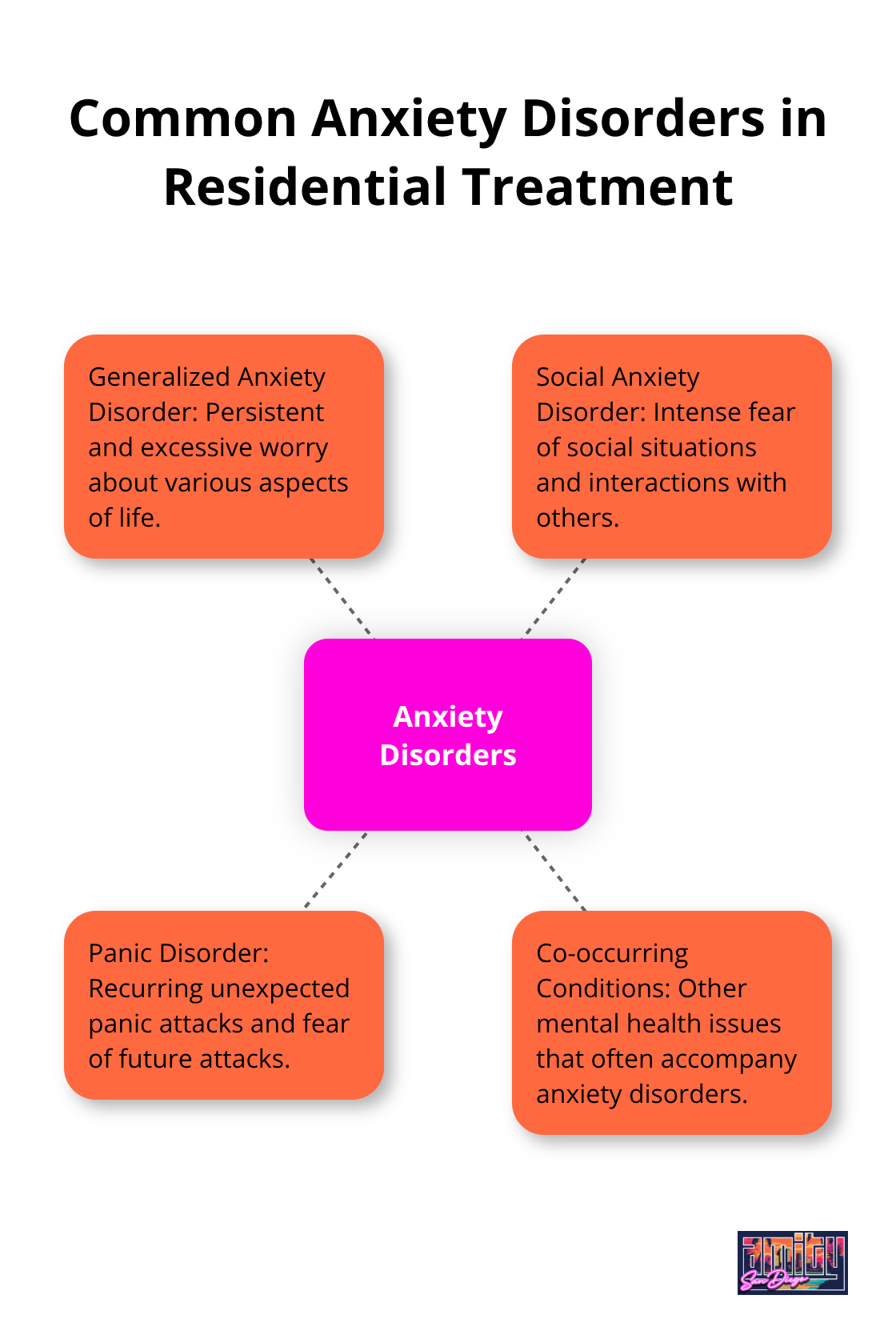
Residential programs primarily treat Generalized Anxiety Disorder, Social Anxiety Disorder, and Panic Disorder alongside co-occurring conditions. Research shows that psychiatric patients frequently present with multiple disorders simultaneously. These facilities specialize in treatment for individuals who experience frequent panic attacks, persistent anxiety despite previous outpatient care, and difficulty with basic daily tasks. Residential treatment becomes necessary when anxiety symptoms interfere with work, relationships, and self-care to the point where constant supervision and intensive intervention are required.
Key Differences From Outpatient Treatment
Residential treatment offers structured daily schedules with therapy sessions, medical monitoring, and skill-building activities that outpatient programs cannot match. Patients receive immediate crisis intervention, medication adjustments under medical supervision, and peer support through group living. Residential treatment typically ranges from 30 days to 90 days or longer, depending on individual needs. This intensive approach costs significantly more than outpatient care but provides faster symptom stabilization and builds stronger coping foundations.
Who Benefits Most From Residential Care
Individuals who struggle with severe anxiety symptoms that persist despite multiple outpatient attempts often find residential treatment most effective. Those who experience suicidal thoughts, self-harm behaviors, or complete inability to function in daily life typically need this level of intensive support. Patients with dual diagnoses (anxiety plus substance use disorders) particularly benefit from the comprehensive medical oversight available in residential settings.
The structured environment and intensive therapeutic approach of residential treatment create the foundation for the comprehensive treatment process that follows.
The Residential Treatment Process
What Happens During Your First Days
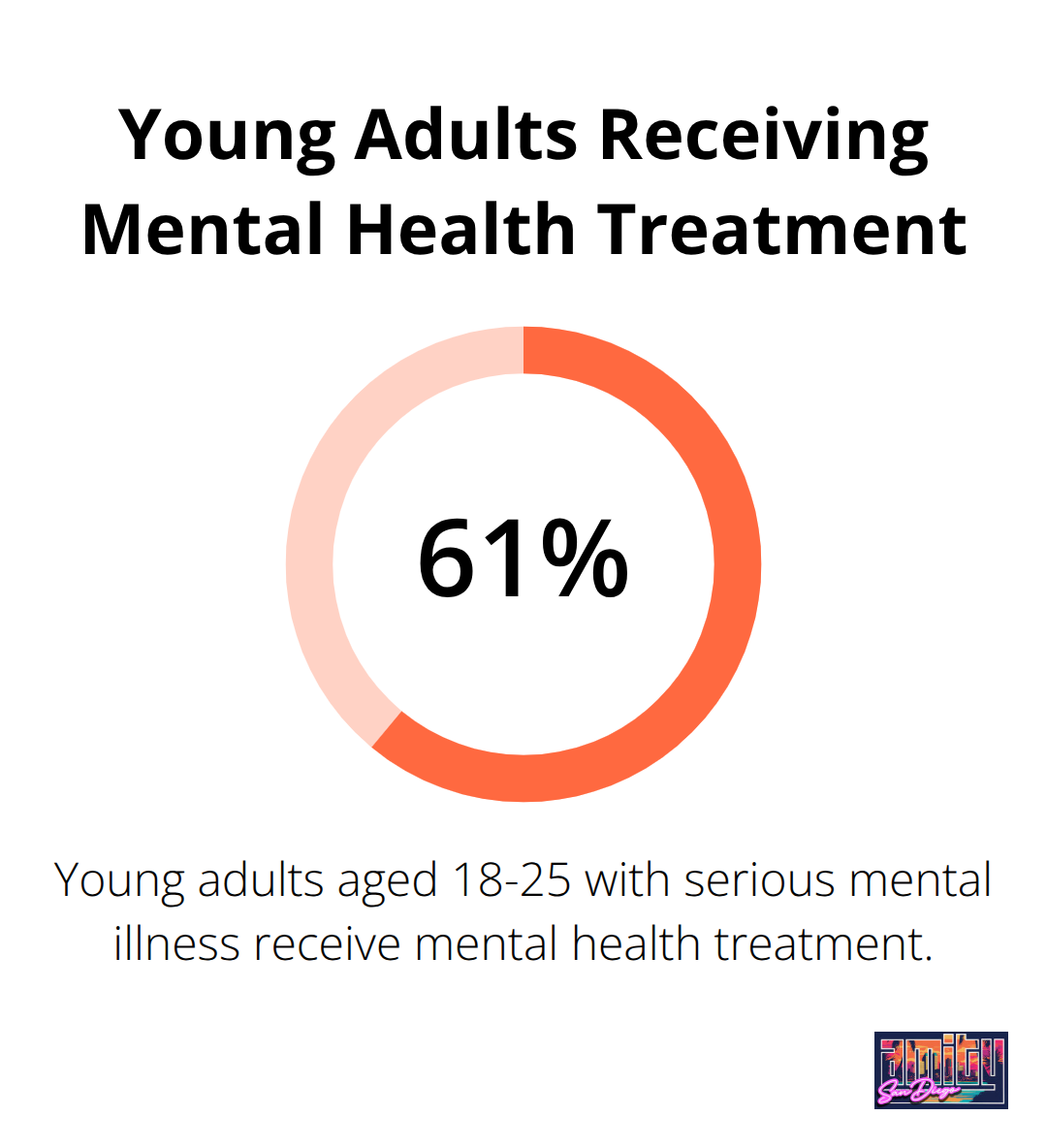
The intake process at residential anxiety treatment facilities takes 2-4 hours and includes comprehensive psychological evaluations, medical examinations, and detailed discussions about treatment goals. Clinical staff conduct standardized assessments like the Beck Anxiety Inventory and Hamilton Anxiety Rating Scale to establish baseline anxiety levels. Medical professionals review current medications, conduct physical health screenings, and assess for co-occurring conditions. The National Institute of Mental Health reports that 61.4% of young adults aged 18-25 with serious mental illness receive mental health treatment, which makes thorough initial evaluations essential for treatment plans.
Daily Structure and Activities
Residential programs follow structured schedules that begin around 7:00 AM with breakfast and medication distribution, followed by individual therapy sessions that typically last 50 minutes each. Most facilities schedule 4-6 hours of therapeutic activities daily, which include group therapy sessions with 6-8 participants, cognitive behavioral therapy workshops, and skill development exercises. Menninger Clinic data shows patients experience significant improvement in mental health symptoms during residential stays. Evening activities include goal-setting groups and recreational therapy, with lights-out typically scheduled between 10:00-11:00 PM to maintain consistent sleep patterns.
Treatment Duration and Phases
Most residential anxiety programs last 30-90 days, with the initial stabilization phase that occurs within the first 7-14 days when medication adjustments and crisis intervention take priority. The active treatment phase spans weeks 2-8 and focuses on intensive therapy and skill development. Research from residential treatment centers indicates that individuals often have shorter treatment stays and higher rates of relapse when treatment completion is not achieved. The final transition phase prepares patients for discharge through aftercare plans, family sessions, and outpatient therapy arrangements.
These structured phases create the foundation for the specific therapeutic approaches that form the core of residential anxiety treatment.
Therapeutic Approaches in Residential Anxiety Treatment
Cognitive Behavioral Therapy and Exposure Therapy
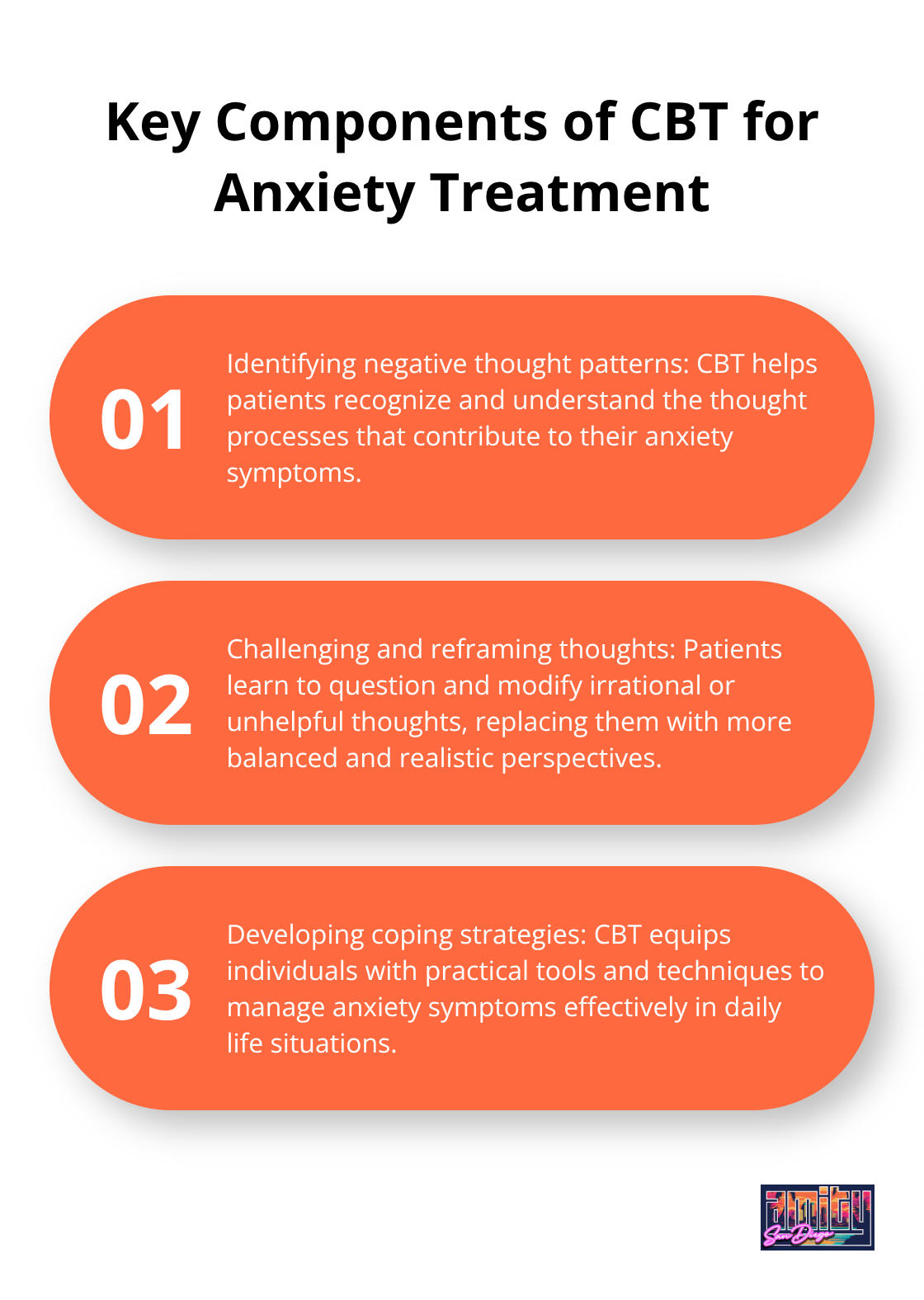
Cognitive Behavioral Therapy forms the backbone of residential anxiety treatment, with patients who attend 3-4 individual CBT sessions weekly alongside specialized exposure therapy programs. The American Psychological Association identifies CBT as a treatment that leads to significant improvement in functioning and quality of life for anxiety disorders. Several studies have found large effects and concluded that CBT effectively treats anxiety disorders.
Exposure therapy sessions gradually introduce patients to anxiety triggers in controlled environments, and therapists start with low-intensity situations and progressively increase difficulty levels. Most residential programs schedule daily exposure exercises that last 45-90 minutes, with therapists who provide immediate support when anxiety responses occur.
Medication Management and Medical Support
Medication management occurs through daily psychiatric consultations, with doctors who adjust dosages based on real-time symptom assessment rather than wait weeks between appointments like outpatient settings. Medical support includes 24/7 staff who monitor vital signs, sleep patterns, and medication side effects that outpatient programs cannot track. Psychiatrists conduct daily rounds and make immediate medication adjustments when patients experience breakthrough anxiety symptoms or adverse reactions.
Group Therapy and Peer Support Programs
Group therapy sessions run 6 days weekly with 6-8 participants per group, which creates peer support networks that continue post-discharge. Dialectical Behavior Therapy groups teach specific skills like distress tolerance and emotion regulation through structured 90-minute sessions. Peer support programs pair new patients with those further along in recovery, and these partnerships provide practical guidance on panic attack management, sleep disturbances, and medication adjustments that only someone with lived experience can offer.
Final Thoughts
Anxiety residential treatment programs deliver intensive, 24/7 support that outpatient care cannot provide. Patients receive immediate crisis intervention, medication adjustments under medical supervision, and structured therapeutic activities that stabilize symptoms faster. The combination of individual therapy, group support, and medical oversight addresses severe anxiety symptoms that disrupt daily life.
Residential treatment becomes necessary when anxiety persists despite multiple outpatient attempts, when individuals experience suicidal thoughts or self-harm behaviors, or when basic daily tasks become impossible. Those with dual diagnoses particularly benefit from comprehensive medical oversight available in residential settings. These programs create the foundation for long-term recovery through intensive therapeutic intervention.
Quality residential anxiety treatment requires accredited facilities with licensed professionals who use evidence-based therapies. We at Amity San Diego understand the complexity of anxiety disorders and provide comprehensive treatment support for individuals who need intensive care options. The right treatment program can transform lives and restore hope for those who struggle with severe anxiety symptoms.