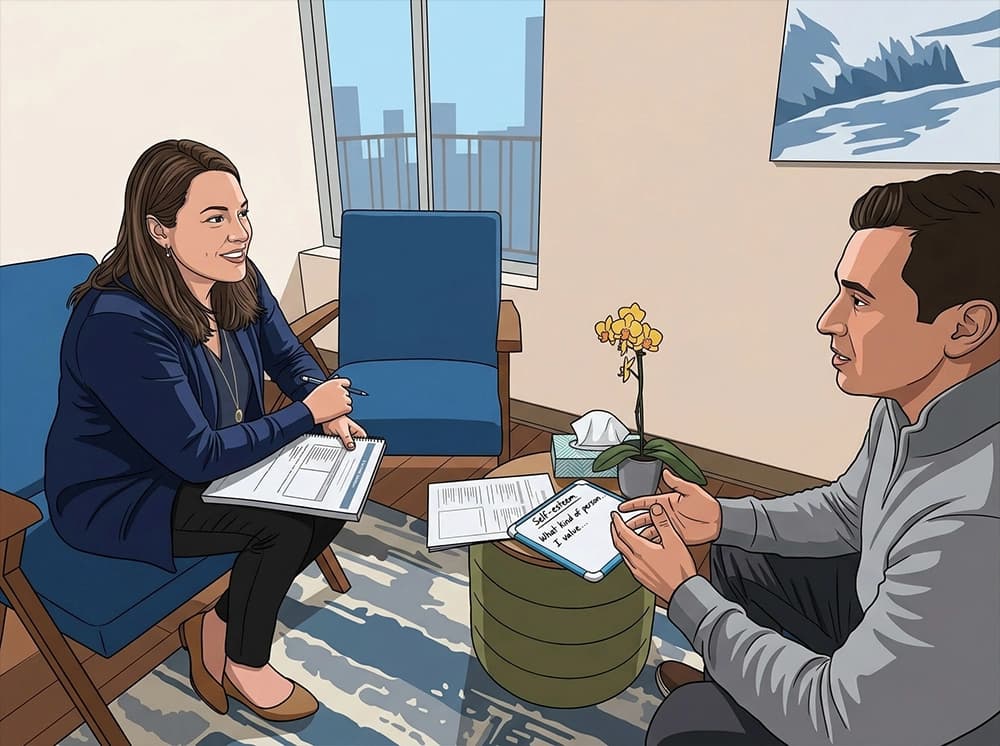

Only 10% of people with addiction receive treatment, yet comprehensive programs achieve 40-60% success rates. Recovery requires medical supervision for safe withdrawal, evidence-based therapies like CBT and DBT, and structured support systems.
- 1Only 10% of people with addiction receive the treatment they need
- 2Comprehensive treatment programs achieve 40-60% success rates
- 3Addiction is a chronic medical condition that changes brain structure and function
- 472% of people abandon recovery during the acute withdrawal phase without medical support
- 5CBT and DBT demonstrate the strongest research outcomes for addiction treatment
Addiction affects millions of Americans, yet only 10% receive the treatment they need according to SAMHSA data. The path to recovery isn't linear, but research shows that comprehensive treatment programs increase success rates by 40-60%.
At Amity San Diego, we've seen firsthand how the right combination of medical care, therapy, and support transforms lives. Successful addiction recovery requires understanding the process and having access to evidence-based treatment options.
Addiction operates as a chronic medical condition that affects brain chemistry, behavior patterns, and physical health. The National Institute on Drug Abuse confirms that addiction changes brain structure and function, which makes recovery a medical process rather than a simple matter of willpower. This medical reality means successful recovery requires professional intervention, ongoing management, and evidence-based treatment approaches just like diabetes or heart disease.
Recovery moves through distinct phases that most people experience. The acute withdrawal phase lasts 5-10 days (depending on the substance), followed by early recovery that spans 90-180 days when cravings remain intense. Extended recovery begins after six months when new habits solidify and relapse risk decreases significantly. Professional treatment programs demonstrate significantly higher success rates than self-directed attempts. These timeframes help set realistic expectations and prevent premature treatment exits during challenging periods.
Professional treatment programs achieve substantially higher success rates than self-directed recovery attempts. Comprehensive treatment programs achieve 40-60% success rates by addressing the medical, psychological, and social aspects simultaneously through medication management, behavioral therapy, and structured support systems. The combination of medical supervision during early recovery and evidence-based therapies like CBT creates the foundation for lasting change. Treatment centers provide 24/7 medical support when needed and connect patients with peer networks that sustain recovery long-term.
Withdrawal from certain substances can cause life-threatening complications without proper medical oversight. Alcohol and benzodiazepine withdrawal can trigger seizures, while opioid withdrawal creates severe physical distress that leads many people back to substance use. Medical professionals monitor vital signs, administer medications to reduce symptoms, and intervene when complications arise. This medical foundation allows people to focus on psychological healing rather than physical survival during the most vulnerable recovery phase.
The medical aspects of early recovery set the stage for the therapeutic work that follows, which requires specific evidence-based approaches to address the psychological components of addiction treatment San Diego.
Medical detox forms the foundation of effective addiction treatment, yet many facilities rush through this phase. Professional detox programs last 5-10 days and require 24/7 medical oversight because withdrawal from alcohol, benzodiazepines, and opioids can trigger seizures, heart complications, and severe dehydration. Research from NIDA supports studies into the health impacts of overdose prevention programs and their community effects.
Physicians administer medications like clonidine for opioid withdrawal or benzodiazepines for alcohol withdrawal to prevent dangerous complications during stabilization. This medical foundation prevents the 72% of people who abandon recovery during the acute withdrawal phase. Medical teams monitor vital signs continuously and adjust medications based on individual responses to withdrawal symptoms.
Cognitive Behavioral Therapy and Dialectical Behavior Therapy demonstrate the strongest research outcomes for addiction treatment. CBT helps people identify triggers and develop coping strategies, while DBT teaches emotional regulation skills that prevent impulsive substance use. Research shows CBT demonstrates efficacy as both monotherapy and part of combination treatment strategies.
Frequently Asked Questions
What is the success rate for addiction treatment?
Comprehensive treatment programs achieve 40-60% success rates by addressing medical, psychological, and social aspects simultaneously. Professional treatment significantly outperforms self-directed recovery attempts through medication management, therapy, and structured support.
Why is medical supervision important for addiction recovery?
Alcohol and benzodiazepine withdrawal can trigger life-threatening seizures. Opioid withdrawal causes severe distress leading many back to substance use. Medical supervision prevents the 72% who abandon recovery during acute withdrawal without support.
What are the phases of addiction recovery?
Acute withdrawal lasts 5-10 days, followed by early recovery spanning 90-180 days when cravings remain intense. Extended recovery begins after six months when new habits solidify and relapse risk decreases significantly.
What therapies work best for addiction?
CBT helps identify triggers and develop coping strategies. DBT teaches emotional regulation to prevent impulsive substance use. Contact Amity San Diego at (619) 503-4422 to learn about our evidence-based treatment programs.
Sources & References
This article is based on peer-reviewed research and authoritative medical sources.
- Key Substance Use and Mental Health Indicators — SAMHSA (2024)
- Principles of Drug Addiction Treatment — NIDA (2024)
Amity San Diego
Amity San Diego Medical Team