
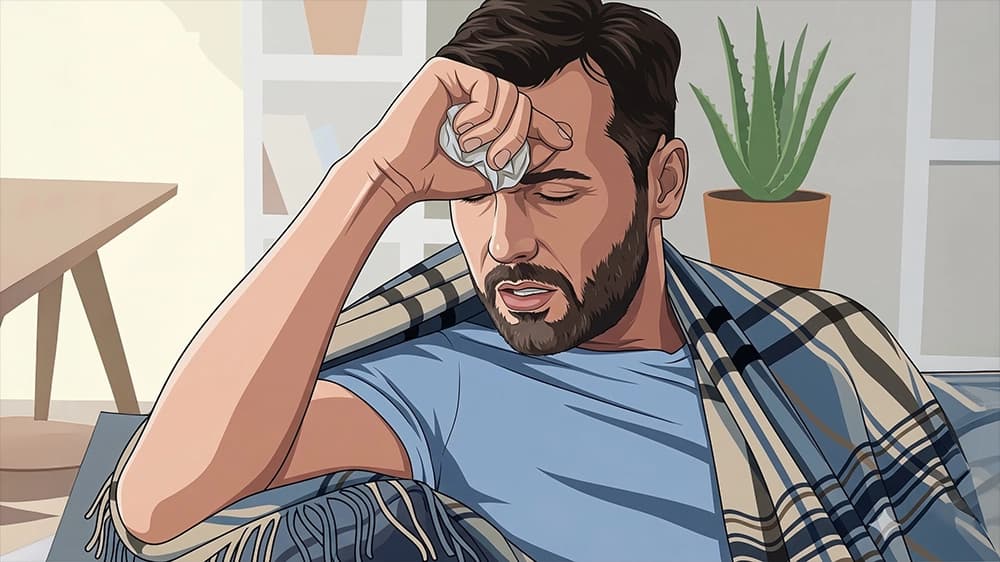
An alcohol withdrawal timeline often begins with anxiety, tremors, sweating, and insomnia within hours of the last drink, may intensify over the first one to three days, and then gradually stabilizes for many people by days four to seven. Severity depends on drinking history, prior withdrawals, and medical risk.
- 1Alcohol withdrawal symptoms can begin within hours of the last drink and often peak during the first several days.
- 2Day-by-day symptoms vary, but tremors, sweating, nausea, insomnia, anxiety, and elevated heart rate are common early signs.
- 3Higher-risk cases may involve seizures, hallucinations, or delirium tremens and require medical supervision.
- 4A structured detox plan can make the withdrawal period safer and easier to manage.
- 5After the acute phase, continued treatment helps address cravings, triggers, and long-term alcohol recovery.
For people in San Diego trying to stop drinking, one of the most common questions is how the next few days will unfold. An alcohol withdrawal timeline can help set expectations, but it is important to remember that no timeline is identical for everyone. The body responds based on how much alcohol someone has been using, how long they have been drinking heavily, whether they have gone through withdrawal before, and what other medical factors are in play.
At Amity San Diego, we explain withdrawal as a process rather than a single event. The first day matters, but so do the days that follow. Knowing what symptoms may show up day by day can help someone in Southern California recognize when support from alcohol treatment services or a higher level of care is needed.
What happens in the first 6 to 12 hours?
Alcohol withdrawal can begin while alcohol is still leaving the body. During the first several hours after the last drink, early symptoms may start to emerge as the nervous system loses the depressant effect it has adapted to.
Common early symptoms include:
- Anxiety or a sense of unease
- Shaking or tremors
- Sweating
- Headache
- Nausea
- Trouble sleeping
- Increased heart rate
Some people describe this first stage as feeling like a severe hangover that keeps building instead of improving. In San Diego, individuals who have tried to stop on their own may recognize this window as the point when cravings become intense because drinking again temporarily relieves the discomfort and delays alcohol addiction treatment.
What is Day 1 usually like?
The first full day is often physically and emotionally uncomfortable. Sleep may be poor, appetite may drop, and concentration can become more difficult. People may feel restless, irritable, or unusually sensitive to noise and light.
On Day 1, the body is working through:
- Autonomic activation, such as sweating and elevated pulse
- Shifts in blood pressure
- Increased nervous system reactivity
- Gastrointestinal discomfort
- Reduced ability to regulate stress
This stage can look manageable from the outside even when the person feels overwhelmed internally. That is one reason clinical observation is useful. Symptoms that begin as mild do not always stay mild.
What can happen on Days 2 and 3?
For many people, the first one to three days are the most intense part of the alcohol withdrawal timeline. This is when the nervous system can become most reactive, especially in people with a long history of heavy alcohol use.
During Days 2 and 3, symptoms may include:
- More pronounced tremors
- Persistent insomnia
- Strong anxiety or agitation
- Sweating and temperature shifts
- Nausea or vomiting
- Elevated blood pressure
- Heightened cravings
Higher-risk complications such as seizures, hallucinations, or delirium tremens may also develop during this part of the timeline. They do not happen in every case, but the possibility is significant enough that alcohol withdrawal should never be treated casually when there is a history of severe use or prior complications.

What does medical monitoring do during the peak period?
During the peak withdrawal window, medical support focuses on safety, symptom management, and early response to change. A supervised setting can track vital signs, assess symptom progression, and provide medications or comfort measures when appropriate.
That support may include:
- Regular withdrawal assessments
- Medication to reduce seizure risk or autonomic overactivation
- Hydration and nutritional support
- Monitoring for confusion or hallucinations
- Planning for the next level of care
For some people in Southern California, detox is only the beginning. After stabilization, a step-down into PHP or outpatient treatment may provide the structure needed to keep recovery moving forward.
This step-down planning matters because withdrawal does not happen in isolation from the rest of a person's life. Work demands, housing, family stress, and untreated mental health symptoms can all influence what happens after detox. Matching the next level of care to those realities can make the timeline safer and more sustainable.
What happens around Days 4 through 7?
If the withdrawal process is stabilizing, symptoms often begin to ease after the first several days. Tremors may lessen, appetite may improve, and sleep may gradually become less fragmented. Even so, many people still feel emotionally raw, tired, or mentally foggy during this stage.
Common experiences later in the week include:
- Ongoing fatigue
- Uneven sleep
- Mood swings
- Anxiety that comes and goes
- Strong cravings in response to stress or routine triggers
This phase can create a false sense that the problem is over because the acute physical symptoms are less intense. In reality, the days after stabilization are often when treatment planning matters most. Without follow-up care, people frequently return to drinking to quiet cravings, insomnia, or emotional discomfort, which is why relapse prevention planning matters.
That is why recovery planning should begin before symptoms fully settle. Sleep, routine, transportation, family communication, and appointment scheduling all affect whether a person can hold onto progress once the acute phase ends.
Why can withdrawal feel worse after multiple attempts to stop?
Repeated withdrawal episodes can increase risk over time. Someone who has gone through withdrawal before may notice that symptoms return faster or feel more severe with later attempts. This is one reason a person's history matters so much during assessment.
Relevant factors include:
- Previous seizures or hallucinations
- Prior detox admissions
- Daily alcohol intake and pattern of use
- Use of other sedative substances
- Co-occurring medical or psychiatric conditions
A timeline is useful, but history is what makes the timeline safer to interpret. The more complicated the history, the stronger the case for professional monitoring.
That is especially relevant in San Diego, where people may hope to detox quickly and return to responsibilities right away. A rushed plan can overlook the fact that sleep disruption, anxiety, and cravings often outlast the most visible physical symptoms. Building in support after the peak period can reduce the chance of returning to alcohol just to feel normal again.
What should happen after the first week?
By the end of the first week, many people are physically more stable, but recovery is only beginning. Alcohol withdrawal addresses the body's dependence on alcohol. It does not, by itself, resolve the habits, stress patterns, mental health symptoms, or social triggers that supported drinking in the first place.
Continuing care may focus on:
- Craving management
- Relapse prevention planning
- Therapy for anxiety, depression, or trauma through a dual diagnosis program
- Rebuilding routines and sleep habits
- Ongoing support through structured treatment
If you are trying to estimate your alcohol withdrawal timeline, the safest next step is an assessment rather than guesswork. Amity San Diego works with people throughout San Diego and Southern California who need support moving from withdrawal into ongoing treatment. Call (888) 666-4405 or verify your insurance to take the next step.
This content is for informational purposes only and does not constitute medical advice. Please consult a qualified healthcare professional for personalized guidance.
Frequently Asked Questions
What is a typical alcohol withdrawal timeline?
A typical alcohol withdrawal timeline starts within several hours after the last drink, often becomes more intense during the first one to three days, and then gradually improves for many people over the rest of the week. The exact pattern depends on drinking history, medical status, and prior withdrawal episodes.
When do alcohol withdrawal symptoms peak?
Many people experience their most uncomfortable symptoms during the first 24 to 72 hours, but there is no universal timeline. Some higher-risk complications appear later, which is why monitoring matters even after the first day. A clinical assessment is the safest way to estimate risk.
Can alcohol withdrawal happen differently from person to person?
Yes. The amount and duration of alcohol use, other substances, age, physical health, and previous withdrawals all influence symptom severity and timing. Two people can stop drinking on the same day and have very different experiences.
Where can I find help for alcohol withdrawal in San Diego?
In San Diego and across Southern California, medically supervised detox and step-down treatment can help reduce risk and support a smoother transition into ongoing recovery care. Professional support is especially important if you have daily alcohol use, prior withdrawal symptoms, or co-occurring medical or mental health concerns.
How do I start alcohol treatment at Amity San Diego?
Call Amity San Diego at (888) 666-4405 to discuss your alcohol withdrawal timeline, recent drinking pattern, and treatment options. The admissions team can help you understand whether /addiction-treatment/alcohol/, /programs/php/, or /programs/outpatient/ fits your situation best.
Sources & References
This article is based on peer-reviewed research and authoritative medical sources.
- The ASAM Clinical Practice Guideline on Alcohol Withdrawal Management — American Society of Addiction Medicine (2020)
- Treatment for Alcohol Problems: Finding and Getting Help — National Institute on Alcohol Abuse and Alcoholism (2025)
- Alcohol Withdrawal — MedlinePlus (2025)
Amity San Diego
Amity San Diego Medical Team