
Loading...
Loading...
PHP Day Treatment in San Diego
Considering structured day treatment? Learn what to ask about PHP, the support you need between sessions, and how to arrange an assessment at Amity San Diego.
Discuss clinical fit, scheduling, and potential costs before making treatment arrangements.
Speak with our compassionate admissions team. We'll answer your questions and discuss your situation.
Request a benefits check and review plan-specific coverage, authorization requirements, and possible costs.
Ask about current assessment and program availability before making arrangements.

Partial hospitalization is structured outpatient treatment, rather than an overnight hospital stay. It provides more intensive support than routine office-based visits. The name does not mean that Amity San Diego is an inpatient hospital.
Amity San Diego offers PHP in the Pacific Beach area. An assessment helps determine whether day treatment matches your clinical needs and your support outside sessions. Do not choose a level of care only because its schedule sounds convenient.
PHP may be considered when discussing more structured support or a transition from another care setting. It is not a substitute for medical detox or emergency care. Tell the assessment team about withdrawal concerns, current medications, mental health needs, and recent treatment so they can discuss appropriate next steps.
PHP is a day-treatment option; IOP and other outpatient care have different attendance and support plans. Ask the assessment team to explain the recommendation for you, rather than treating these programs as an automatic sequence. Review IOP and outpatient care to prepare your questions.
Amity San Diego is at 3565 Del Rey Street, Suites 202 and 203, San Diego, CA 92109. Confirm your receiving suite and appointment before traveling. Our location page provides directions. Do not assume housing or transportation is included with PHP.
General background: Medicare: what partial hospitalization means. This explains the care setting, not Amity participation in Medicare, individual coverage, or facility scheduling. For a medical emergency, call 911 rather than waiting for an admissions response.
Confirm current treatment days, start and end times, and attendance expectations. Ask how the care team decides the initial plan and reviews its length; there is no promised four-to-six-week course.
Compare the proposed attendance plan with travel time, work or school commitments, and caregiving. Do not assume evening sessions or that a full-time schedule can continue unchanged.
Discuss where you will stay and the support you have outside treatment hours. Ask what to do if needs change between visits; day treatment is not overnight supervision.
Ask which individual, group, mental health, and medication-related services are appropriate and available in your plan, who provides them, and whether any require a separate appointment.
Request a benefits check for this facility and level of care. Confirm network status, authorization requirements, and estimated personal costs with admissions and your insurer.
Confirm the receiving suite, appointment time, parking, accessibility needs, and transportation arrangements before your first visit. Housing and transportation are not implied to be included.
Clinical fit, practical arrangements, and financial questions are separate parts of the decision. A call or benefits check does not guarantee admission.
Contact admissions with your questions and ask how to arrange an assessment. Share urgent health concerns with a medical professional rather than waiting for a routine appointment.
Discuss clinical needs and support between visits with the assessment team. Ask why PHP, IOP, another outpatient option, or a different setting may be recommended.
Review the proposed schedule alongside insurer authorization requirements and possible costs. Benefits information does not determine clinical suitability or guarantee payment.
Confirm your appointment and the location before traveling. Ask what records, identification, medication list, and other information to have ready.
Ask how progress and changing needs will be reviewed, and how continuing, adjusting, or stepping down care will be discussed. A transition to IOP is not automatic.
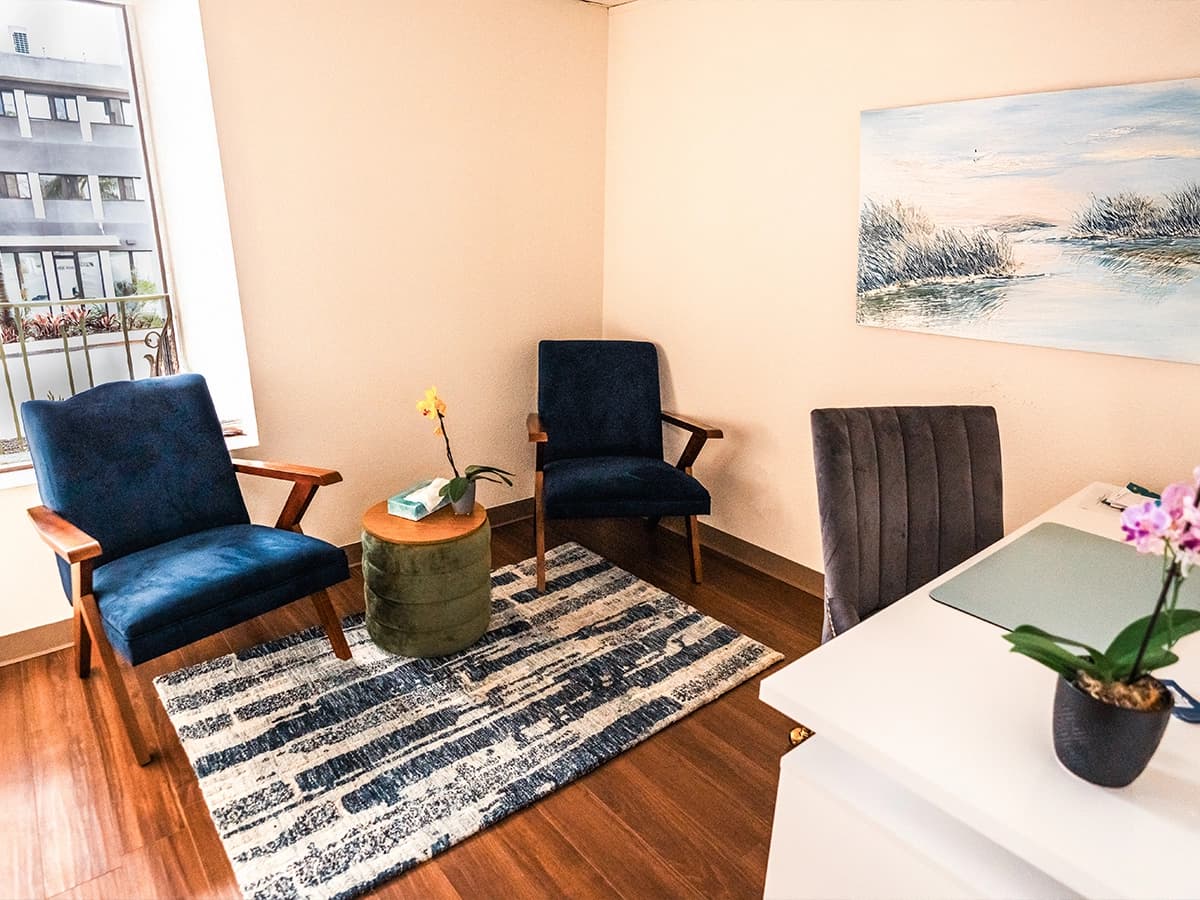
Ask about an assessment, the current attendance plan, and practical next steps. Admissions can help you prepare questions; clinical assessment determines the appropriate level of care.
Confirm clinical fit, scheduling, availability, and costs before enrolling.