
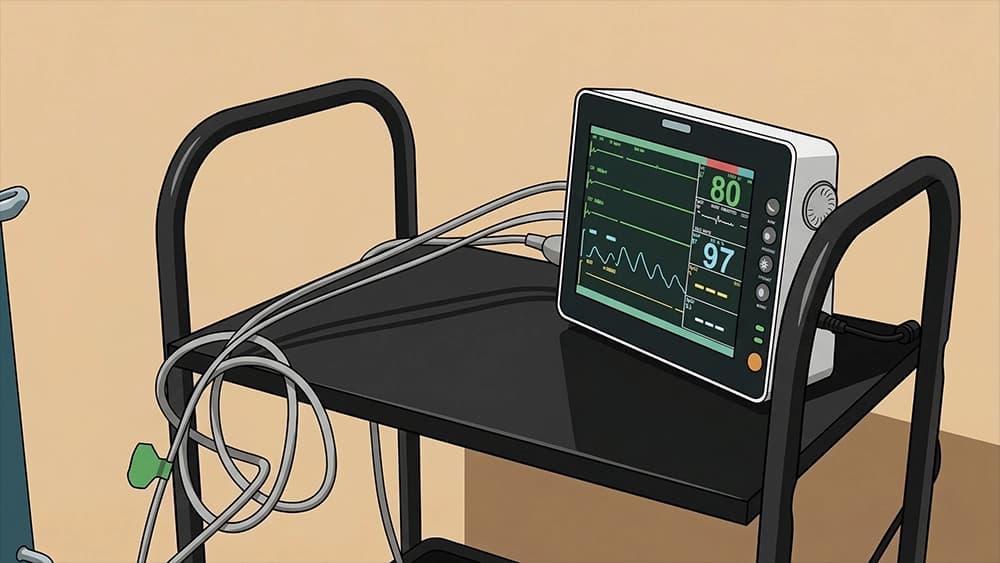
Why Fentanyl Withdrawal Requires Close Medical Monitoring is about fentanyl withdrawal withdrawal and how it affects treatment planning, safety, and the next step into care.
- 1fentanyl withdrawal can become complicated quickly, especially when timing or potency makes symptoms harder to predict.
- 2Medical monitoring helps prevent the situation from escalating before it becomes dangerous.
- 3Symptoms that involve confusion, dehydration, seizures, or breathing problems need urgent attention.
- 4Detox is the start of the plan, not the finish line.
- 5A safe transition into the next level of care matters as much as the acute phase itself.
For many people in San Diego and the surrounding Southern California area, why fentanyl withdrawal requires close medical monitoring is not an abstract topic. It is part of a real decision about safety, stability, and what kind of care will actually help.
When the issue involves fentanyl withdrawal, the details matter. The difference between short-term relief and a plan that supports lasting recovery often comes down to timing, monitoring, and having the right level of support in place.

Why the withdrawal gets complicated
Withdrawal becomes more complicated when the body is adapting to a substance that has been present for a while. With fentanyl withdrawal, timing, potency, and prior treatment history all affect how intense the symptoms may become.
That is why the same headline can look very different from one person to another — especially when fentanyl, alcohol, or benzodiazepines are part of the picture. People often compare fentanyl withdrawal vs heroin withdrawal when trying to set expectations.
What clinicians watch for
The biggest warning signs are usually worsening agitation, uncontrolled vomiting or diarrhea, dehydration, confusion, severe anxiety, abnormal vital signs, or any history of seizures or delirium. Those are the signals that the situation needs medical oversight rather than a home-only plan.
If the plan involves a medication transition, clinicians also watch the timing carefully so the new treatment does not trigger a worse reaction than the withdrawal itself.
How treatment reduces risk
At Amity San Diego, detox or medication planning can include symptom monitoring, fluids, rest, medication support, and a clear plan for what comes next. For some people that means a move into residential care, PHP, or outpatient follow-up once the acute phase has settled.
The goal is not only to get through withdrawal, but to keep the person safe enough to continue into the next level of care.
Why the next step matters
Withdrawal is a beginning, not a finish line. Once the acute symptoms ease, the recovery plan still needs to address cravings, relapse risk, mental health symptoms, and the daily routines that make change sustainable.
If you want to talk through the situation with a clinician, call Amity San Diego at (888) 666-4405. The team can explain the relevant level of care, talk through admissions, and help you understand how insurance fits into the plan.
One reason fentanyl gets so much attention in detox planning is that the withdrawal picture can change quickly. People may look relatively stable and then become much sicker over a short period of time, especially if there are other substances involved or if the person has already been through several failed attempts at stopping on their own. A supervised setting helps the team respond to those changes before they become dangerous.
That also means the first clinical conversation should not stop at the immediate symptoms. The team usually wants to know what else is in the picture, how long the person has been using, whether there has been recent overdose risk, and whether there are mental health concerns that could make withdrawal harder to manage.
What close monitoring usually includes
Close monitoring is not just someone checking in once in a while. It often means watching vital signs, hydration, sleep, nausea, agitation, and whether the person is responding as expected to the medications and comfort measures that are being used. If symptoms start to accelerate, the team can adjust before the person becomes more medically unstable.
In practical terms, monitoring may also include:
- frequent reassessment of withdrawal symptoms and comfort level
- attention to dehydration, vomiting, diarrhea, or inability to keep fluids down
- review of medications if a transition or induction is being planned
- observation for confusion, severe anxiety, or other warning signs that need more support
Those checks matter because fentanyl withdrawal is not always predictable enough for a one-size plan. When the body is under that much stress, small changes can matter a lot.
Why fentanyl can be harder to predict
Fentanyl can create a more complicated withdrawal picture than many people expect. The timing of symptoms, the intensity of cravings, and the way medication support should be used can all look different from person to person. Prior exposure, general health, and whether alcohol or benzodiazepines are also involved can change the risk profile again.
That is why clinical monitoring is often the safer answer when someone is trying to stop fentanyl. The goal is not to over-medicalize normal discomfort. The goal is to avoid missing the point where discomfort turns into a medical problem that could have been managed earlier.
What happens after detox
Detox can get the acute phase under control, but it does not treat the full recovery picture. Once the immediate symptoms settle, the next step usually focuses on therapy, relapse prevention, and a clear transition into a level of care that can hold the progress made during detox.
For some people, that means residential treatment before moving to PHP or outpatient care. For others, it means a direct step into a structured follow-up plan with counseling, accountability, and family support. The right answer depends on how stable the person is once withdrawal starts to ease.
It also helps to plan for the practical side of the transition. If someone leaves detox without a clear next step, cravings, boredom, and stress can pull the person back toward use. A strong discharge plan should make the next appointment, the next support contact, and the next level of care obvious before the acute phase ends.
When to seek urgent help
Urgent help is needed if the person has trouble breathing, seizures, fainting, severe confusion, or signs of dangerous dehydration. Those symptoms mean the situation is beyond a simple wait-and-see approach.
If something feels off and the symptoms are getting worse instead of better, it is safer to call than to assume the pattern will settle on its own. Detox planning should reduce risk, not add guesswork.
What families can do while waiting for the next step
Families often want to help but are not sure what is actually useful. The most practical support is usually simple: keep the person connected to care, help them make the next appointment, and gather the details that clinicians will need for a safer plan. That can include a medication list, a history of prior withdrawal symptoms, and any recent overdose or emergency care.
It also helps to keep expectations realistic. Fentanyl withdrawal can take patience, and the first plan may need to change if symptoms do not follow the expected pattern. A flexible approach is usually safer than insisting that the first setting or the first medication choice must be the final answer.
How to reduce the chance of rebound
Once detox is underway, the next challenge is not just getting through the acute symptoms. The bigger issue is preventing the person from bouncing back into the same cycle when discomfort, cravings, or stress return. That is why a follow-up plan should be in place before the withdrawal window closes.
In San Diego, that next step may be residential treatment, PHP, or outpatient care, depending on how stable the person is and how much support they will have outside treatment. The more clearly the step-down plan is defined, the less room there is for confusion when the acute phase ends.
Recovery usually goes better when people know what the next 24 hours, the next appointment, and the next source of support will be. That kind of clarity can make a hard process feel less chaotic and more manageable.
Related care paths
If you are comparing options or planning the next step, these pages can help you orient the bigger picture.
Frequently Asked Questions
Why does fentanyl withdrawal need close monitoring?
Fentanyl can make withdrawal and medication timing harder to predict, so medical monitoring helps keep the process safer and more manageable.
Can withdrawal be managed at home?
Sometimes mild cases can be monitored as part of a broader plan, but more complicated withdrawal should not be handled without clinical guidance. If the person has a history of complications, home-only detox is usually not the safest choice.
What does medical monitoring actually do?
Medical monitoring tracks vital signs, hydration, comfort, medication response, and warning signs that the situation is becoming more dangerous. It lets the team respond early instead of waiting for a crisis.
What comes after the acute phase?
After the acute phase, the next step usually focuses on continuing care, therapy, and relapse prevention. Ask a qualified clinician which level of care fits your needs. Amity San Diego can explain its PHP and outpatient options and discuss whether another provider is needed.
When should someone seek urgent help?
Urgent help is needed if there are seizures, trouble breathing, confusion, fainting, severe dehydration, or a rapid worsening of symptoms. Those are signs that the problem is beyond a wait-and-see approach.
Sources & References
This article is based on peer-reviewed research and authoritative medical sources.
- The ASAM Criteria — ASAM (2024)
- Treatment for Substance Use Disorders — SAMHSA (2025)
- Principles of Drug Addiction Treatment: A Research-Based Guide — NIDA (2018)
Amity San Diego
Amity San Diego Medical Team