
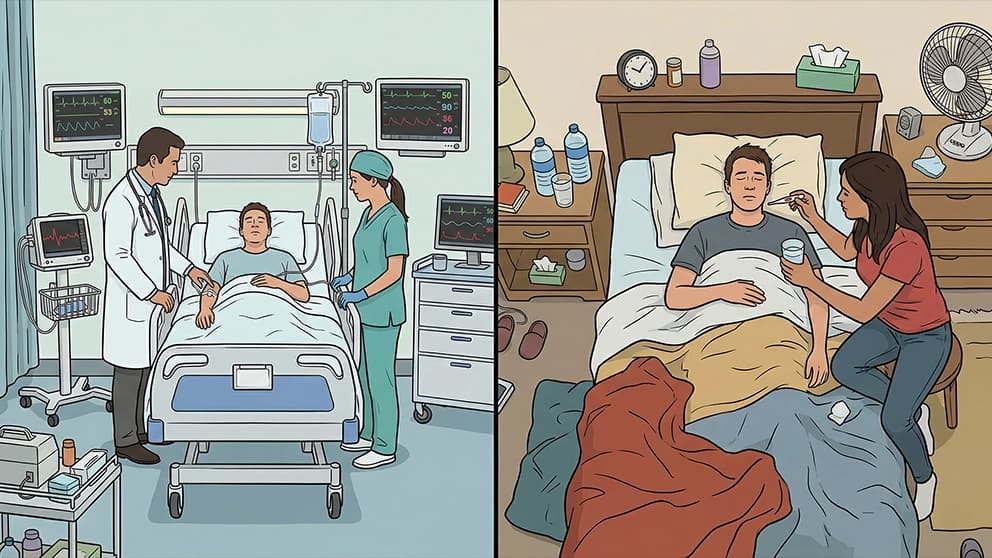
Medical detox provides supervised withdrawal management with medications and monitoring, while at-home detox carries serious health risks including seizures and delirium tremens. A healthcare provider assessment determines the safest approach based on individual needs.
- 1Medical detox offers 24/7 clinical monitoring, medication management, and immediate emergency response for dangerous withdrawal symptoms.
- 2At-home alcohol detox carries significant risks including seizures, delirium tremens, severe dehydration, and cardiovascular complications.
- 3Withdrawal severity depends on factors including duration of drinking, daily consumption, medical history, and previous withdrawal episodes.
- 4Supervised detox connects people directly to ongoing treatment programs, creating a stronger foundation for lasting recovery.
- 5A healthcare provider's assessment is essential for determining the safest detox approach based on individual health needs and risk factors.
When someone decides to stop drinking after regular, heavy use, one of the first decisions they face is where and how to detox. The choice between medical detox vs home detox for alcohol is not simply a matter of comfort or convenience—it is a safety decision with potentially life-threatening implications. Understanding the differences between these approaches helps people and their families make informed choices about the safest path forward.
Alcohol withdrawal is one of the most medically dangerous forms of substance withdrawal. Unlike many other substances, stopping alcohol abruptly after prolonged heavy use can produce complications that require emergency medical intervention. This reality makes the detox setting a critical factor in both safety and long-term recovery outcomes.
How Alcohol Withdrawal Works
When someone drinks heavily over an extended period, the brain adjusts to the constant presence of alcohol by altering its chemical balance. Alcohol enhances the effects of inhibitory neurotransmitters and suppresses excitatory ones. When alcohol is suddenly removed, the nervous system rebounds into a state of hyperexcitability that produces withdrawal symptoms.
This rebound effect is why withdrawal symptoms can escalate from uncomfortable to dangerous. Early symptoms—tremors, anxiety, sweating, headache, nausea, and insomnia—typically begin 6 to 24 hours after the last drink. Our alcohol detox timeline guide provides a detailed day-by-day breakdown of this process. More severe symptoms can develop 12 to 48 hours later, including seizures, hallucinations, rapid heart rate, dangerously elevated blood pressure, and delirium tremens (DTs), which involves severe confusion, agitation, and cardiovascular instability.
Several factors influence withdrawal severity: how long someone has been drinking, daily alcohol consumption, age, overall health, co-occurring medical conditions, and whether previous withdrawal episodes involved complications. People with a history of seizures during withdrawal face elevated risk in subsequent withdrawal attempts. A clinical assessment evaluates these factors to determine the safest approach for each individual.
Medical Detox: Supervised Withdrawal Management
Medical detoxification takes place in a healthcare setting where trained professionals monitor the withdrawal process and intervene when needed. This supervised approach provides several critical safety advantages that at-home detox cannot replicate.
In a medical detox facility, the clinical team conducts a thorough initial assessment to understand each person's risk profile. Based on this evaluation, physicians can prescribe benzodiazepines to prevent seizures and manage anxiety, anticonvulsants for additional seizure protection, medications to control nausea and gastrointestinal symptoms, and drugs to stabilize heart rate and blood pressure. This pharmacological support significantly reduces both the severity and the danger of withdrawal.
Continuous vital sign monitoring allows clinicians to detect warning signs before they become emergencies. If blood pressure spikes, heart rate becomes irregular, or early signs of delirium tremens appear, the medical team responds immediately. This proactive approach to complications is the primary safety advantage of supervised detox.
Beyond physical management, medical detox addresses nutritional needs, sleep disruption, and the psychological distress that often accompanies withdrawal. Many people experience significant anxiety, depression, or emotional instability during detox, and having clinical support available reduces the risk of these feelings leading to premature return to drinking.
Medical detox also creates a direct pathway to ongoing alcohol addiction treatment. People completing supervised detox can transition seamlessly into structured programs like partial hospitalization (PHP) or outpatient treatment, where they continue building recovery skills and addressing the underlying drivers of alcohol use.
At-Home Detox: Understanding the Risks
At-home detoxification means managing alcohol withdrawal without professional medical oversight. While some people with mild withdrawal profiles may manage at home with guidance from their physician, this approach carries risks that should not be underestimated.
The most serious risk is the unpredictability of withdrawal progression. Symptoms that begin as mild discomfort can escalate to seizures within hours. Delirium tremens, which affects roughly 3 to 5 percent of people withdrawing from heavy alcohol use, is a medical emergency with a mortality rate that increases significantly without treatment. At home, recognizing when symptoms have crossed from uncomfortable to dangerous is difficult, and response time to emergency care may be too long.
Dehydration develops quickly during withdrawal as sweating, vomiting, and reduced fluid intake take their toll. Without intravenous fluid support available in medical settings, dehydration can worsen other symptoms and create additional cardiovascular strain. Electrolyte imbalances compound these problems and can trigger dangerous heart rhythms.
Isolation is another significant risk factor. Withdrawing alone or with only a family member present removes the accountability and structured support that professional settings provide. When withdrawal becomes intensely uncomfortable, the temptation to resume drinking—which immediately relieves symptoms—becomes overwhelming. Many people who attempt at-home detox return to alcohol before withdrawal completes, often drinking more heavily than before.
Comparing the Two Approaches
| Factor | Medical Detox | At-Home Detox |
|---|---|---|
| 24/7 Monitoring | Continuous vital sign assessment by clinical staff | Self-monitoring only |
| Medication Access | Prescription medications for symptom management and seizure prevention | Limited to over-the-counter options |
| Emergency Response | Immediate on-site medical intervention | Requires calling 911 and waiting for transport |
| Clinical Assessment | Comprehensive medical and psychiatric evaluation | Self-assessment or limited physician guidance |
| Transition to Treatment | Direct connection to ongoing programs | Requires separate treatment arrangement |
| Relapse Risk During Detox | Lower with structured support and medication | Higher without professional accountability |
Who Should Choose Medical Detox
Healthcare providers generally recommend supervised medical detox for individuals who have been drinking heavily for months or years, those with a history of withdrawal seizures or delirium tremens, people with co-occurring medical conditions such as heart disease, liver disease, or diabetes, individuals with co-occurring mental health conditions like depression or anxiety disorders, anyone using multiple substances in addition to alcohol, older adults, pregnant individuals, and those without a stable, supportive home environment.
Even people who do not fall into these high-risk categories benefit from a professional assessment before making the decision. Should I detox at home from alcohol is not a question that can be answered safely without understanding individual risk factors. A brief clinical evaluation provides the information needed to make a genuinely informed choice.
Building Recovery After Detox
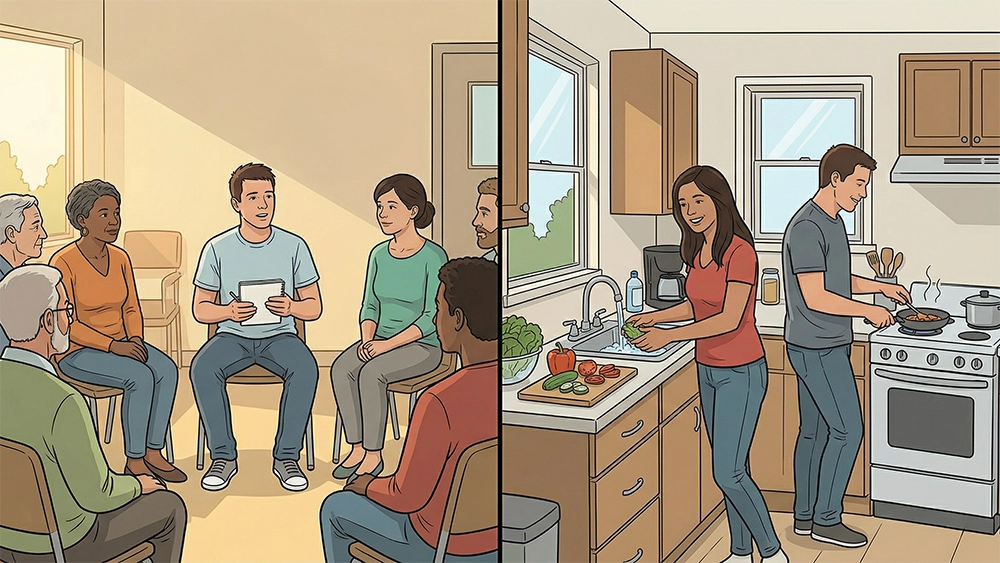
Regardless of setting, detoxification is the beginning of recovery—not recovery itself. Withdrawal management clears the way for treatment, but it does not address the behavioral, psychological, and social factors that sustain alcohol use disorder. Without follow-up care, the likelihood of returning to drinking remains high.
Structured treatment programs build on the stability achieved during detox. Partial hospitalization provides intensive daytime programming with medical oversight while allowing people to return home in the evening. Outpatient treatment offers flexible scheduling for those managing work, school, or family responsibilities alongside recovery. Both levels of care include individual therapy, group counseling, skill-building workshops, and relapse prevention planning.
Making a Safe Decision
Choosing between medical detox and at-home detox requires an honest evaluation of your drinking history, physical health, previous withdrawal experiences, home stability, and available support. The safest approach involves consulting with a healthcare provider who can assess your individual risk and recommend the appropriate level of care.
If you are weighing your options, Amity San Diego is here to help. Our clinical team conducts thorough assessments and provides medically supervised detoxification as part of comprehensive alcohol addiction treatment. Whether you need detox followed by PHP, outpatient care, or a combination of services, we build treatment plans around your individual needs and circumstances. You can also review our alcohol detox FAQs for answers to additional questions about safety, symptoms, and timing.
Call (888) 666-4405 today to speak with our team about your detox and treatment options. The safest first step is the one taken with professional guidance.
Medical disclaimer: This article is for informational purposes only and does not constitute medical advice. Always consult with a healthcare provider for personalized recommendations.
Frequently Asked Questions
What are the main differences between medical detox and at-home detox for alcohol?
Medical detox occurs in a clinical setting with round-the-clock care from doctors, nurses, and therapists who monitor vital signs, administer medications, and respond immediately to emergencies. At-home detox involves managing withdrawal without professional supervision, limiting access to medications and emergency intervention if complications develop.
Is it safe to detox from alcohol at home?
At-home detox carries significant safety risks, particularly for people with heavy or prolonged alcohol use. Alcohol withdrawal can cause seizures, delirium tremens, rapid heart rate, severe dehydration, and hallucinations. Without medical supervision, these complications cannot be treated immediately. A professional assessment is essential before attempting any form of alcohol detox.
What withdrawal symptoms can occur during alcohol detox?
Early symptoms include tremors, anxiety, sweating, headache, nausea, and insomnia, typically beginning 6 to 24 hours after the last drink. More serious symptoms like seizures, confusion, rapid heart rate, and delirium tremens can develop 12 to 48 hours after drinking stops. Severity depends on drinking history, medical conditions, and previous withdrawal episodes.
How long does alcohol detox typically take?
The acute withdrawal phase typically lasts 5 to 7 days, though some symptoms may persist longer. Medical detox programs generally involve 3 to 7 days of monitored care before transitioning to ongoing treatment. Individual timelines vary based on drinking history, overall health, and co-occurring conditions.
How do I get started with alcohol detox at Amity San Diego?
The first step is a confidential conversation with our clinical team. We assess your medical history, drinking patterns, and withdrawal risk to recommend the safest detox approach. Amity San Diego offers comprehensive addiction treatment including medically supervised detox and step-down programs. Call us at (888) 666-4405 to discuss your options and take the first step toward recovery.
Sources & References
This article is based on peer-reviewed research and authoritative medical sources.
- Alcohol Withdrawal Syndrome: Mechanisms, Manifestations, and Management — National Library of Medicine (2024)
- Understanding Alcohol Use Disorder — National Institute on Alcohol Abuse and Alcoholism (2024)
- Detoxification and Substance Abuse Treatment — SAMHSA (2024)
Amity San Diego
Amity San Diego Medical Team