
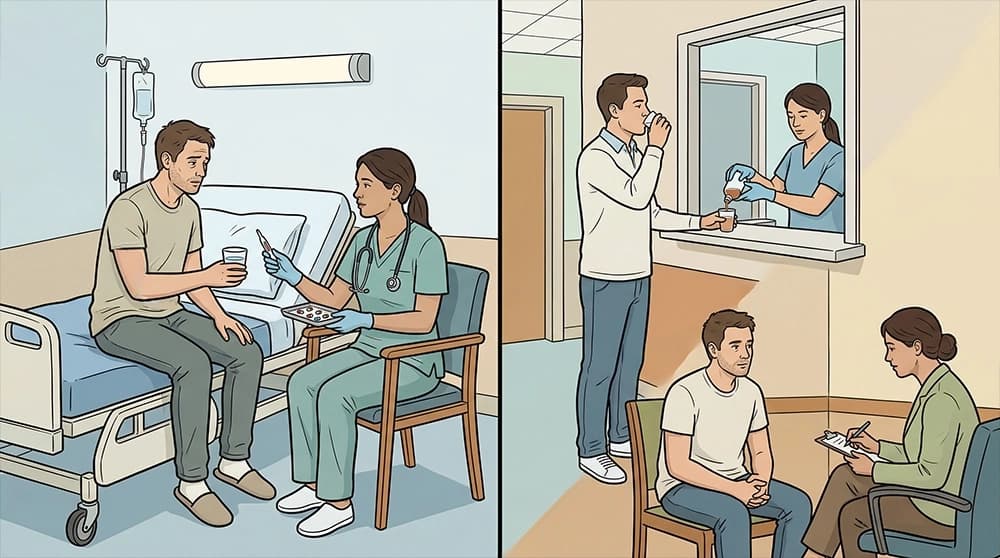
Opioid detox and maintenance therapy represent different treatment approaches with distinct goals. Understanding each pathway helps individuals in San Diego make informed decisions aligned with their recovery needs and circumstances.
- 1Opioid detox focuses on medically supervised withdrawal with the goal of achieving an opioid-free state, while maintenance therapy uses long-term medication to stabilize brain chemistry and reduce cravings.
- 2Both approaches are evidence-based and supported by clinical research — neither is inherently superior, and the best choice depends on individual circumstances.
- 3Medical assessment by addiction specialists helps determine which approach aligns with a person's health history, severity of dependence, and recovery goals.
- 4Many people benefit from combining elements of both approaches, such as beginning with medically supervised detox and transitioning to maintenance medication if needed.
- 5San Diego treatment centers offer both pathways, and switching between approaches is possible as recovery needs evolve over time.
Navigating Opioid Treatment Options in San Diego
For individuals in San Diego and across Southern California facing opioid dependence, one of the most important decisions in early recovery involves choosing between two primary treatment pathways: full medical detoxification or long-term maintenance therapy. Both are evidence-based, clinically supported, and widely available—yet they differ meaningfully in approach, timeline, and goals.
Understanding these differences is essential for making an informed decision. Neither path is universally better. The right choice depends on your specific circumstances, medical history, severity of dependence, and personal recovery objectives. This comparison provides the clinical context needed to have a productive conversation with a treatment professional.
What Opioid Detox Involves
Medical detoxification from opioids is a structured process aimed at safely managing withdrawal symptoms while the body clears opioids from its system. In a clinical setting, physicians use medications to ease withdrawal discomfort, monitor for complications, and provide supportive care throughout the acute phase.
The opioid addiction treatment detox process typically spans five to fourteen days for the acute phase, though timelines vary based on the specific opioid used, duration and severity of dependence, and individual health factors. Fentanyl withdrawal, for example, often presents more intensely than withdrawal from prescription opioids due to fentanyl's potency and pharmacological properties. Our guide on fentanyl vs heroin withdrawal explains these differences in detail.
During detox, clinicians may use medications such as clonidine to manage autonomic symptoms, non-opioid pain medications for discomfort, and sleep aids for insomnia. Some programs use a short-term buprenorphine taper to ease the transition, gradually reducing doses over the withdrawal period.
The goal of full detox is to reach an opioid-free state, after which individuals engage in therapy, support groups, and other recovery programming without ongoing opioid medication. For some people, this approach aligns with their values, recovery goals, and clinical profile.
What Maintenance Therapy Involves
Medication-assisted treatment (MAT) for opioid use disorder takes a different approach. Rather than achieving an opioid-free state through withdrawal, maintenance therapy uses medications—primarily buprenorphine (Suboxone) or methadone—to stabilize brain chemistry over an extended period.
These medications bind to opioid receptors in a controlled, therapeutic manner. They reduce cravings, prevent withdrawal symptoms, and block the euphoric effects of illicit opioids—without producing the impairment or "high" associated with misuse. This pharmacological stability allows individuals to engage fully in work, relationships, therapy, and daily life while their brain chemistry gradually normalizes.
Maintenance therapy is not simply substituting one drug for another. The medications are administered at therapeutic doses under medical supervision, combined with counseling and behavioral therapy, and titrated based on clinical response. Research consistently demonstrates that MAT reduces overdose mortality, decreases illicit opioid use, improves treatment retention, and supports functional recovery. For a deeper look at how different treatment levels compare, see our guide on IOP vs outpatient therapy.
Comparing the Two Approaches
Treatment Goals
Detox aims for complete opioid abstinence. Maintenance therapy aims for sustained stability and functional recovery with medication support. Both share the ultimate goal of helping individuals reclaim their lives from opioid dependence.
Relapse Risk
Research indicates that relapse rates following detox alone are significant, particularly for individuals with severe or long-standing opioid use disorder. This is because detox addresses physical dependence but does not resolve the neurological changes that drive cravings and compulsive use. Maintenance therapy's ongoing medication component addresses this vulnerability directly, which is why clinical guidelines from organizations like ASAM generally recommend MAT as first-line treatment for moderate to severe opioid use disorder.
Duration and Commitment
Detox is time-limited—the acute phase resolves within weeks. However, post-detox recovery requires intensive ongoing therapy, support, and vigilance. Maintenance therapy involves longer-term medication commitment, typically months to years, with regular medical appointments and ongoing therapeutic engagement.
Flexibility and Individualization
San Diego treatment providers, including Amity San Diego, recognize that treatment paths aren't always linear. An individual might begin with detox, encounter difficulty maintaining sobriety, and transition to maintenance therapy. Another might stabilize on medication and eventually work with their physician to taper off. Treatment should adapt to the person, not the other way around.
Factors That Influence the Decision
Several clinical and personal factors inform which approach may serve you best:
Severity and duration of opioid use. Individuals with longer use histories or fentanyl dependence may benefit from the sustained support of maintenance therapy, as neurological adaptation to potent opioids often requires extended pharmacological intervention.
Previous treatment experiences. If prior detox attempts have resulted in relapse, this pattern provides important clinical data suggesting that additional medication support may improve outcomes.
Co-occurring conditions. Individuals managing depression, anxiety, PTSD, or chronic pain alongside opioid use disorder often benefit from the stability that maintenance medications provide, allowing them to engage more effectively in treating co-occurring conditions.
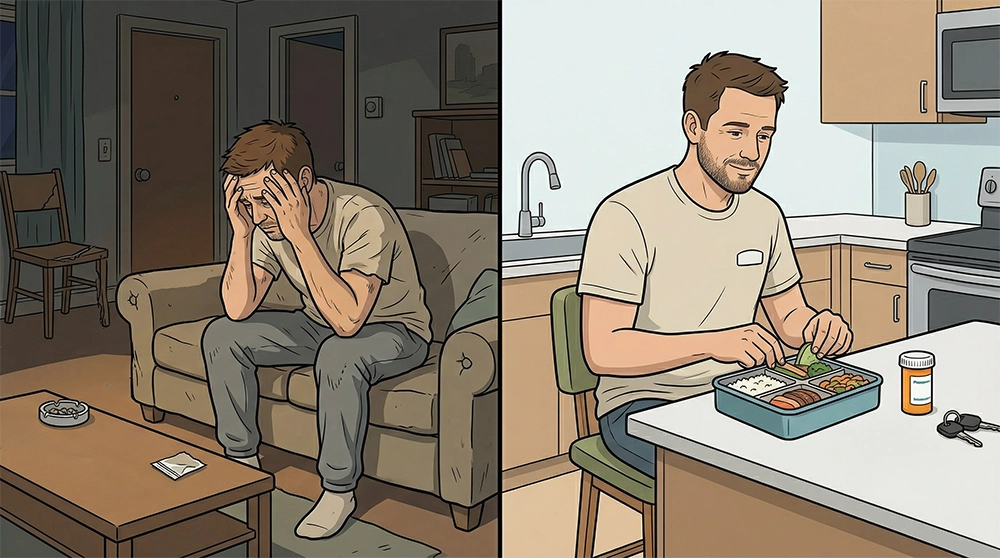
Support system and environment. Strong, recovery-supportive environments may enable some individuals to maintain sobriety post-detox. Environments with higher exposure to triggers may favor the added protection of maintenance medication.
Personal values and goals. Some individuals feel strongly about achieving an opioid-free state. Others prioritize functional stability and are comfortable with ongoing medication. Both perspectives are valid and should be respected in treatment planning.
The Role of Clinical Assessment
The decision between detox and maintenance therapy should involve comprehensive medical and psychological assessment by an addiction specialist. Assessment evaluates the severity of dependence, medical history, psychiatric conditions, previous treatment experiences, and social circumstances. This clinical picture, combined with your personal preferences, informs a collaborative treatment recommendation.
Outpatient programs in San Diego offer both pathways and can provide the assessment needed to make an informed choice. The key is approaching the decision with accurate information rather than assumptions or stigma about either approach. Verifying your insurance early in the process also helps clarify which options are financially accessible.
Five Key Takeaways
-
Both approaches are evidence-based — Neither detox nor maintenance therapy is inherently superior. Research supports both as legitimate treatment pathways depending on individual clinical circumstances.
-
Severity of dependence matters — Individuals with more severe or longer-duration opioid use disorder generally show better outcomes with maintenance therapy, while those with less severe presentations may do well with detox and intensive aftercare.
-
Treatment can evolve — Choosing one path does not lock you in permanently. Flexible treatment plans allow transitions between approaches as recovery progresses and needs change.
-
Relapse after detox is not failure — It's clinical information that may indicate maintenance therapy would provide the additional neurological support needed for sustained recovery.
-
Professional assessment is essential — An addiction medicine specialist can evaluate your specific situation and help you understand which approach aligns with your clinical profile and recovery goals.
Taking the Next Step
If you or someone you care about in San Diego or Southern California is weighing opioid treatment options, professional guidance helps clarify the path forward. Amity San Diego offers comprehensive assessment, medical detox, and medication-assisted treatment programming tailored to individual needs and goals.
For a confidential conversation about which treatment approach may be right for your situation, contact Amity San Diego at (888) 666-4405. Our team provides the clinical expertise and personal attention needed to help you make an informed, confident decision about your recovery.
Medical disclaimer: This article is for informational purposes only and does not constitute medical advice. Always consult with a healthcare provider for personalized recommendations.
Frequently Asked Questions
What is the difference between opioid detox and maintenance therapy?
Opioid detox involves medically supervised withdrawal aimed at clearing opioids from the body, typically over days to weeks. Maintenance therapy uses medications like buprenorphine or methadone long-term to stabilize brain chemistry, reduce cravings, and prevent relapse without requiring full withdrawal. Both approaches include therapeutic support.
Is one approach more effective than the other?
Research shows both approaches can be effective, and outcomes depend heavily on individual factors. Maintenance therapy generally has higher retention rates and lower relapse rates for severe opioid use disorder. Full detox may be appropriate for individuals with shorter use histories or strong support systems. Clinical assessment helps identify the best fit.
Can I switch from detox to maintenance therapy or vice versa?
Yes. Treatment plans should be flexible and responsive to how a person progresses. Someone who completes detox and experiences persistent cravings may benefit from starting maintenance medication. Conversely, someone stable on maintenance therapy may eventually work with their provider to gradually taper their medication.
What opioid detox and maintenance therapy options are available in San Diego?
San Diego offers medically supervised detox programs, medication-assisted treatment clinics, residential facilities with both options, and outpatient maintenance programs. Amity San Diego provides individualized assessment to help determine which approach suits your needs. Call (888) 666-4405 for more information.
How long does opioid maintenance therapy typically last?
Duration varies significantly based on individual needs. Clinical guidelines suggest a minimum of one to two years, though many individuals benefit from longer-term medication use. The decision to continue or taper is made collaboratively between the patient and their treatment team based on stability, risk factors, and personal goals.
Sources & References
This article is based on peer-reviewed research and authoritative medical sources.
- Medications for Opioid Use Disorder: Treatment Improvement Protocol (TIP) 63 — Substance Abuse and Mental Health Services Administration (2024)
- Effective Treatments for Opioid Addiction — National Institute on Drug Abuse (2023)
- The ASAM National Practice Guideline for the Treatment of Opioid Use Disorder — American Society of Addiction Medicine (2024)
Amity San Diego
Amity San Diego Medical Team