
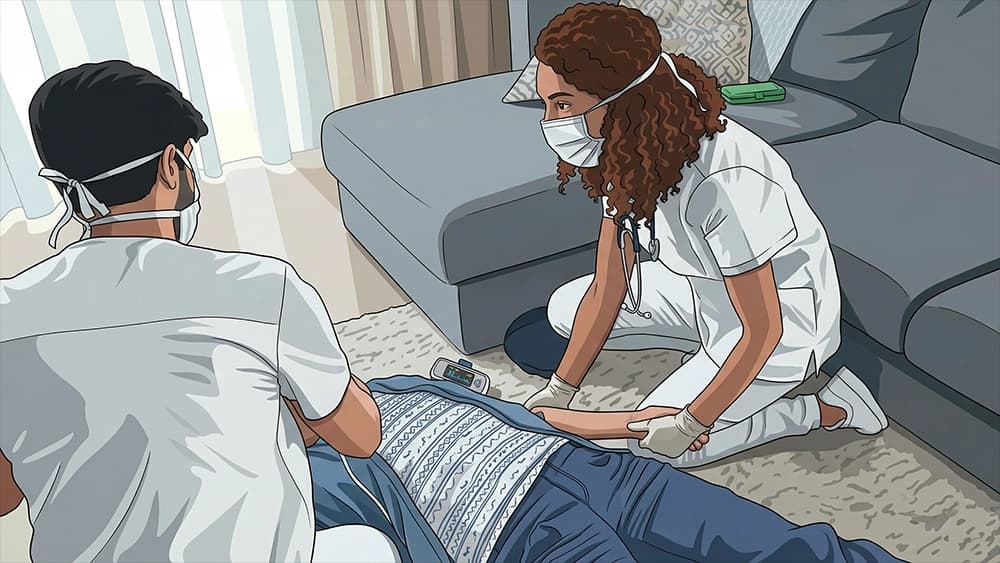
Alcohol withdrawal seizures are managed in detox through monitoring, medication, rapid response protocols, and broader stabilization planning. The risk is one reason severe alcohol withdrawal should be handled in a clinical setting rather than left to a home-only plan.
- 1Alcohol withdrawal seizures are a serious medical risk that can occur during the early withdrawal window.
- 2Detox teams manage seizure risk with medication, monitoring, and symptom-based adjustments.
- 3Past withdrawal complications raise concern even if current symptoms look mild at first.
- 4Medical detox also addresses hydration, blood pressure changes, and the risk of worsening delirium.
- 5Detox should connect to ongoing treatment rather than ending with symptom stabilization alone.
Alcohol withdrawal seizures are one of the clearest reasons that severe alcohol withdrawal should be taken seriously. Families may notice shakiness, anxiety, sweating, or restlessness first, but the real concern is that symptoms can worsen quickly once the nervous system becomes overstimulated.
Detox programs are built to manage that risk before it becomes an emergency.
Why seizure risk is part of alcohol withdrawal
Heavy or prolonged alcohol use changes how the brain regulates excitation and inhibition. When alcohol is suddenly removed, the nervous system can rebound too strongly. That overcorrection is part of what drives tremors, agitation, elevated heart rate, and in some cases seizures.
The danger is not limited to people who “seem severe” right away. Some people worsen after withdrawal is already underway, which is why early symptoms should not be treated as a reliable sign that the person is low risk.
What detox teams are watching for
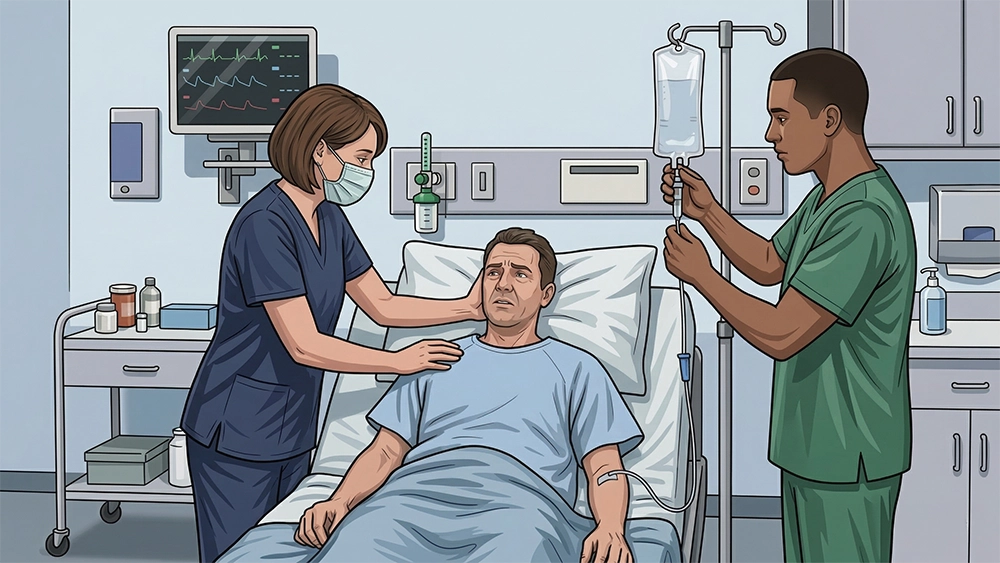
Detox clinicians pay close attention to timing, symptom progression, medical history, and whether the person has had prior withdrawal seizures or delirium tremens. They also monitor vital signs, hydration, mental status, and whether symptoms are becoming more unstable over time.
This monitoring matters because alcohol withdrawal does not only involve seizure risk. Blood pressure changes, dehydration, confusion, and worsening agitation can all raise concern and change the treatment plan quickly.
How seizures are managed and prevented in detox
Detox programs reduce seizure risk by using medications that calm the withdrawal process, monitoring symptoms closely, and adjusting care before the situation worsens. The exact protocol depends on the individual clinical picture, but the goal is consistent: lower the chance of seizures while keeping the person stable and safe.
That approach is very different from waiting at home for symptoms to “pass.” A clinical setting allows the team to respond quickly if the withdrawal pattern becomes more dangerous than expected.
Why detox is only the first stage
Seizure management is one reason people enter detox, but detox is still only the start of treatment. Once the person is medically stable, the next question is what kind of ongoing support they need. Some may step into PHP. Others may continue with outpatient care and a larger alcohol treatment plan.
Without a next step, detox may solve the immediate danger but leave the longer recovery picture unfinished.
What a monitored detox team may do
In a clinical detox setting, the team watches for seizure warning signs before they become an emergency. That usually means checking vital signs, tracking symptom changes, asking about prior withdrawal complications, and using medication when the nervous system needs help calming down. If the person is dehydrated or not eating well, fluids and nutrition may also become part of the early plan.
The point is not just to observe. It is to reduce the chance that the withdrawal pattern escalates and to respond quickly if it does. For someone with a seizure history or delirium tremens history, close monitoring can change the entire outcome.
Why the first 72 hours matter
Alcohol withdrawal is not always linear. A person might look somewhat stable at first and then worsen after the initial shock passes. That is one reason the first several days after the last drink deserve the most attention. Symptoms can shift from manageable shaking to a more dangerous combination of agitation, confusion, blood pressure changes, and seizures.
Because of that timing, families should not assume that an early improvement means the risk is gone. The clinical team is trying to stay ahead of the worst-case window, especially when the drinking history suggests the body has adapted to alcohol for a long time. Early reassessment is often as important as the first assessment.
What information helps the team most
Families can make intake smoother by sharing the last drink time, the usual drinking pattern, any past seizures or detox admissions, and a full medication list. Those details help the team decide whether standard monitoring is enough or whether the person needs a more intensive level of care. It also helps to be honest about benzodiazepines, sleep medications, or other substances because they can change the withdrawal picture.
When the team has the full story, they can make a safer plan. That plan may include medication, more frequent checks, or a stepped-down path into PHP or outpatient care once the seizure risk has passed.
After seizure risk is controlled
Once the acute risk is under control, the next question is how to keep recovery moving. Some people need more structure for a while and step into PHP. Others are ready for outpatient support with ongoing therapy, relapse prevention, and medication review. The goal is to avoid the gap where the person is medically safer but still vulnerable to relapse or another withdrawal cycle.
Why a next-step plan should be part of intake
The detox conversation should also cover what happens after the seizure risk is lower. Some people still need PHP because they want more structure before they can handle day-to-day stress again. Others may step into outpatient step-down care once the medical danger has passed and the home environment is supportive. The important part is that the next step is discussed early, not after the person is already halfway through detox.
If the team knows what support the person has at home, how they have handled withdrawal in the past, and what barriers could interrupt recovery, they can make a plan that is safer from the start. That is often what separates a short medical fix from a real treatment bridge.
That conversation also helps families understand whether the person should move into PHP, outpatient care, or another level of care. If the seizure risk was high, the step-down plan should be specific about therapy frequency, medication review, and what to do if symptoms return. The more concrete the aftercare plan is, the less likely the person is to drift after detox.
Families can also ask whether the program will help coordinate the handoff. A clear transfer from detox to the next level of care reduces the chance that the person leaves with a medical win but no recovery structure.
Getting help in San Diego
If alcohol withdrawal is part of the concern, professional assessment is worth seeking early. It is much safer to ask whether detox is needed than to wait and see if symptoms become more severe.
Call Amity San Diego at (888) 666-4405 to talk through alcohol withdrawal risk, detox planning, and the next level of care.
Related care paths
Frequently Asked Questions
When are alcohol withdrawal seizures most likely?
The risk window is often within the first couple of days after the last drink, though timing can vary depending on the drinking history and medical picture.
Can seizures happen even if the person looked okay at first?
Yes. Severe withdrawal can escalate after symptoms begin, which is why monitoring matters during the first several days.
How does detox reduce seizure risk?
Clinicians use medication, monitor vital signs and symptoms, and adjust care quickly if the withdrawal picture becomes more severe.
What if a person also needs ongoing treatment after detox?
That is common. Detox may be followed by PHP or outpatient care depending on the next clinical step.
Where can I get help in San Diego?
Call Amity San Diego at (888) 666-4405 to ask about alcohol treatment, PHP, and outpatient support.
Sources & References
This article is based on peer-reviewed research and authoritative medical sources.
- Alcohol Withdrawal Syndrome — NCBI Bookshelf (2024)
- TIP 45: Detoxification and Substance Abuse Treatment — SAMHSA (2015)
- Treatment for Alcohol Problems: Finding and Getting Help — NIAAA (2024)
Amity San Diego
Amity San Diego Medical Team