
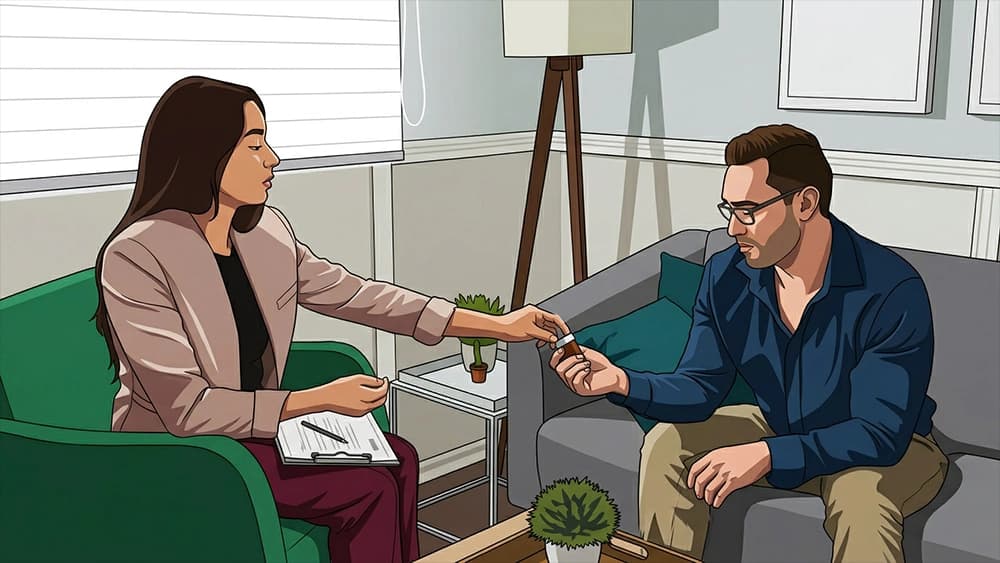
Outpatient addiction treatment in San Diego can include standard outpatient care, intensive outpatient programming, and structured step-down support after higher levels of care. The right choice depends on safety, schedule, and how much structure the person needs to stay engaged in recovery.
- 1Outpatient treatment can be effective when the person is medically stable and able to participate consistently.
- 2Program types vary, and more structure is not always the same as a better fit.
- 3Scheduling, transportation, and insurance access all influence whether outpatient care is realistic.
- 4Some people begin with outpatient treatment while others step down into it after a more intensive phase.
- 5A good intake process should explain program hours, expectations, and next-step planning clearly.
Outpatient treatment can make sense when someone needs real support but does not need to step away from daily life completely. It can also be the next step after a higher level of care, when the person is stable enough to practice recovery with more independence.
The key is fit. Outpatient care should be chosen because it is clinically appropriate, not only because it sounds easier.

Outpatient Does Not Mean No Structure
Outpatient care can include individual therapy, group sessions, relapse-prevention work, medication coordination, family support, and regular accountability. Some people need a lighter schedule. Others need more structure through IOP or PHP.
Those levels are not interchangeable. PHP is usually more intensive. IOP offers a structured schedule without residential care. Standard outpatient support may fit when symptoms are more stable and the person can stay engaged between sessions.
That range matters because recovery needs change. A person may start with PHP, step down to IOP, and then continue with outpatient therapy. Another person may be stable enough to begin with outpatient care from the start.
When Outpatient Care Fits
Outpatient treatment tends to work best when the person is medically stable, has a safe place to live, can attend consistently, and does not need 24-hour monitoring.
It may not be enough if withdrawal is active, relapse risk is very high, mental health symptoms are unsafe, or the home environment makes recovery harder every day. In those cases, a more structured level of care may be needed first.
That does not mean outpatient care is off the table. It may mean outpatient support comes later, once the person has more stability.
The Practical Stuff Matters
Attendance is part of treatment. If the schedule is impossible, the commute is unreliable, or the person cannot keep showing up, even a strong clinical recommendation can fall apart.
That is why admissions should cover practical questions early:
- What days and times does the program meet?
- How many hours per week are expected?
- Is family involvement part of the plan?
- What happens if symptoms get worse?
- How does insurance work for this level of care?
These details are not small. They determine whether outpatient treatment can become part of the person’s actual week.
Why Outpatient Treatment Can Be Useful
One strength of outpatient care is that people practice recovery while still living real life. Stress, work, family conflict, cravings, sleep problems, and social pressure do not wait until treatment is over. They show up during the week.
That gives the treatment team something real to work with. If a hard week leads to cravings or isolation, the person can talk about it while it is happening and adjust the plan.
Outpatient treatment can also help prevent a sudden drop-off after more intensive care. Instead of leaving a structured setting with no support, the person has a step-down plan and regular accountability.
Getting Started
If you are comparing outpatient programs, the first question is not “Which one is easiest to attend?” It is “Which level of care is enough support right now?”
A clinical assessment can help answer that. It should look at substance use, mental health symptoms, safety, living situation, previous treatment, and what kind of support the person can realistically use.
Call Amity San Diego at (888) 666-4405 to talk through outpatient treatment options and which level of care fits best.
Related care paths
Frequently Asked Questions
What kinds of outpatient programs are available?
People may use standard outpatient therapy, intensive outpatient programming, or step-down care after residential or partial hospitalization treatment.
Who is a good fit for outpatient addiction treatment?
Outpatient care may fit people who are medically stable, have a safe place to live, and can attend treatment consistently.
Does outpatient treatment still provide structure?
Yes. The amount of structure depends on the program, but outpatient care can still include therapy, group work, relapse prevention, and regular accountability.
How do I know if I need PHP or IOP instead?
A clinical assessment can clarify whether [PHP](/programs/php), [IOP](/programs/iop), or [outpatient care](/programs/outpatient) is the safest and most practical fit.
How do I start in San Diego?
Call Amity San Diego at (888) 666-4405 to talk through outpatient program options, scheduling, and access.
Sources & References
This article is based on peer-reviewed research and authoritative medical sources.
- Treatment for Substance Use Disorders — SAMHSA (2025)
- Continuing Care and Recovery Support for Substance Use Disorders — NCBI Bookshelf (2024)
- The ASAM Criteria — ASAM (2024)
Amity San Diego
Amity San Diego Medical Team